
vacation rental maintenance
Vacation Rental Maintenance That Prevents Guest Complaints
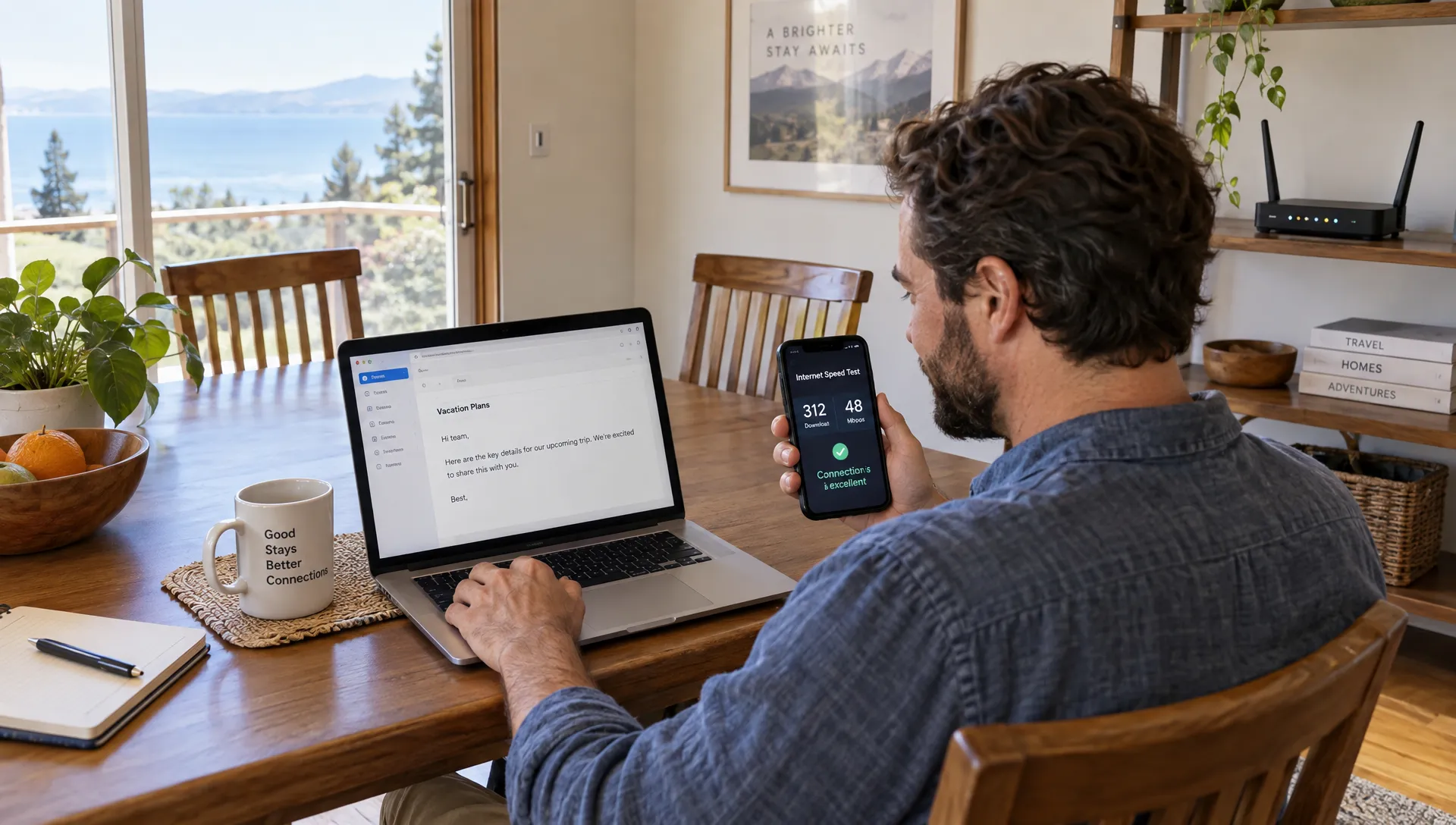
Vacation rental maintenance prevents guest complaints when you test the home the way guests will use it, fix problems before arrival and verify every repair. A cleaning checklist alone won't catch a weak air-conditioning system, an unreliable entry code or a shower that turns cold halfway through. For luxury owners, the goal is simple: nobody should spend the first evening of their stay troubleshooting the house.
I recommend separating three jobs: cleaning, functional inspection and repair verification. They can happen during the same turnover, but each needs a named owner. Otherwise, everyone assumes someone else checked the hot tub.
Which defects are most likely to cause guest complaints?
Start with anything that interrupts arrival, sleep, bathing or an advertised amenity. A scratched side table deserves attention, but a front door that won't unlock deserves immediate action.
The inspection should produce evidence, not just a checked box.
| Guest-facing system | Functional check | Problem the check can reveal |
|---|---|---|
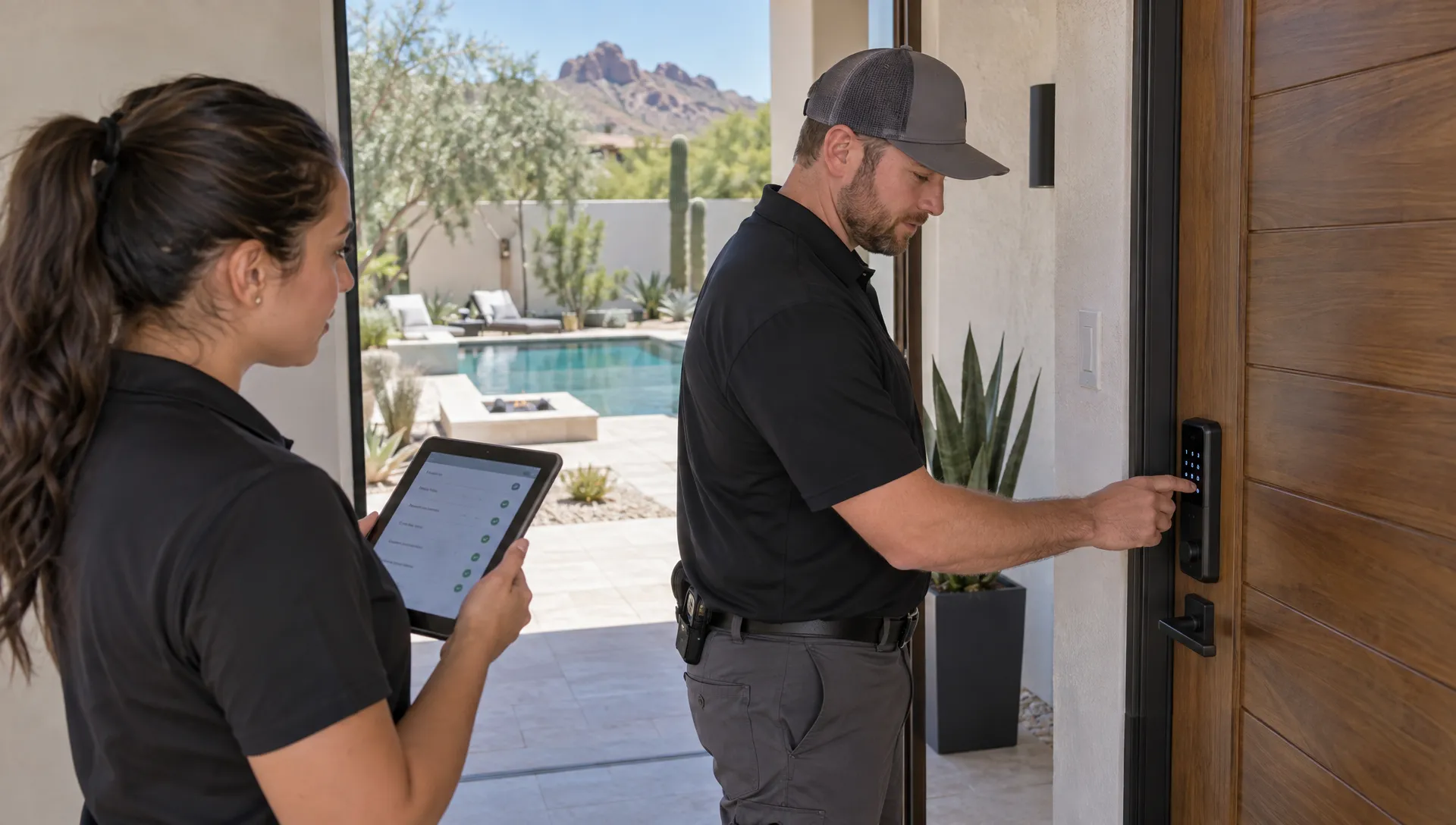
| Entry and smart locks | Test the upcoming guest's access during its authorized window; confirm a backup method | Incorrect permissions, weak batteries or a sticking latch |
| Heating and cooling | Run the system and check comfort in occupied rooms | Poor airflow, unusual noise or uneven temperatures |
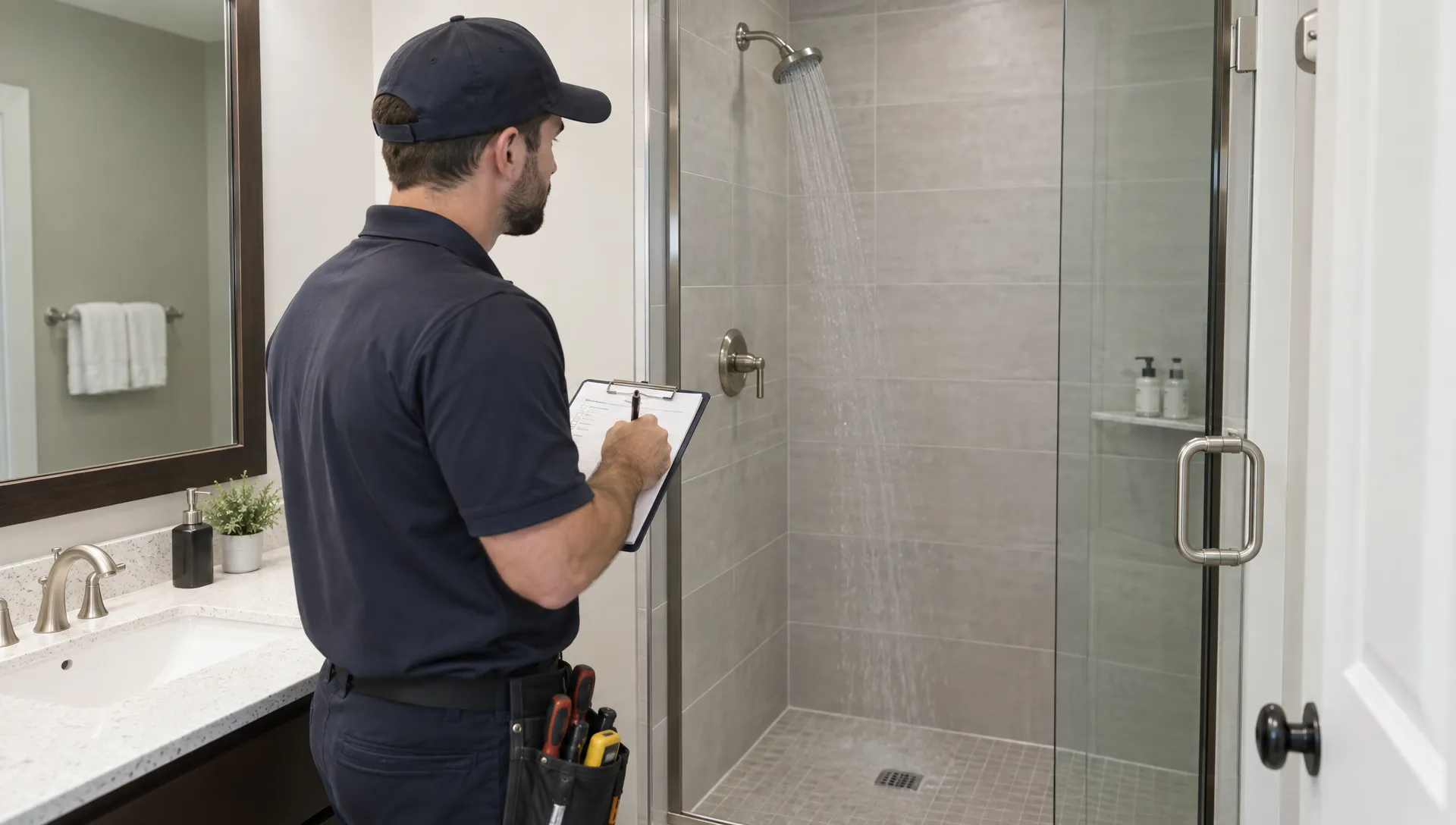
| Showers and plumbing | Run fixtures, check drainage and inspect underneath | Slow drains, leaks or inconsistent hot water |
| Wi-Fi | Connect a guest device and test from bedrooms and workspaces | Connection failures or coverage gaps |
| Pool and hot tub | Have the qualified service provider verify safe operation and water condition | Equipment faults or an amenity that isn't ready |
| Beds and bedrooms | Check frames, blinds, bedside lighting and window operation | Loose furniture, broken privacy controls or sleep disruption |
Test performance, not appearance. A thermostat lighting up doesn't prove the bedroom will cool. A pool photograph doesn't establish that the heater works.
Effective vacation rental maintenance also catches repeated small defects. A loose towel bar reported three times isn't three unrelated incidents. It's one unresolved problem that needs a better repair.
For a broader view of contractor coordination and ongoing service coverage, our guide to vacation rental maintenance services that protect reviews covers the management side. Here, the focus is the inspection and decision process that keeps defects from reaching guests.
How do you make vacation rental maintenance a guest-ready requirement?
A guest-ready requirement is a simple rule: the home cannot be marked ready until essential checks pass or an authorized person approves a documented exception. Safety defects don't qualify for exceptions.
This matters most during same-day turnovers, when cleaners, technicians and arriving guests are competing for the same limited window.
What should you check at every turnover?
Give the inspector a short, property-specific checklist. Include entry, indoor comfort, plumbing, internet access, sleeping arrangements and any amenities promised in the listing.
Record the result, inspection time and inspector's name. Photographs help document visible damage, but functional checks need a written result. “Shower tested; temperature stable; drain clear” tells the next person more than a photograph of clean tile.
Here's an illustrative Scottsdale scenario: cleaners finish a private pool home, but the inspector finds the pool heater displaying an error. The next reservation includes paid pool heating. The home may look immaculate, yet it isn't ready for that booking.
Good vacation rental maintenance treats this as a booking-specific defect: confirm the fault, contact the appropriate technician and determine what can be restored before arrival. If restoration isn't possible, communicate the unavailable amenity before the guest discovers it and handle any remedy under the booking terms.
I wouldn't close that ticket because someone rebooted the equipment. I'd close it after the qualified provider confirms normal operation and the promised temperature is verified.
Who decides whether a home is guest-ready?
Assign one person final responsibility. That person needs visibility into open issues, the upcoming reservation and the actual condition of the home.
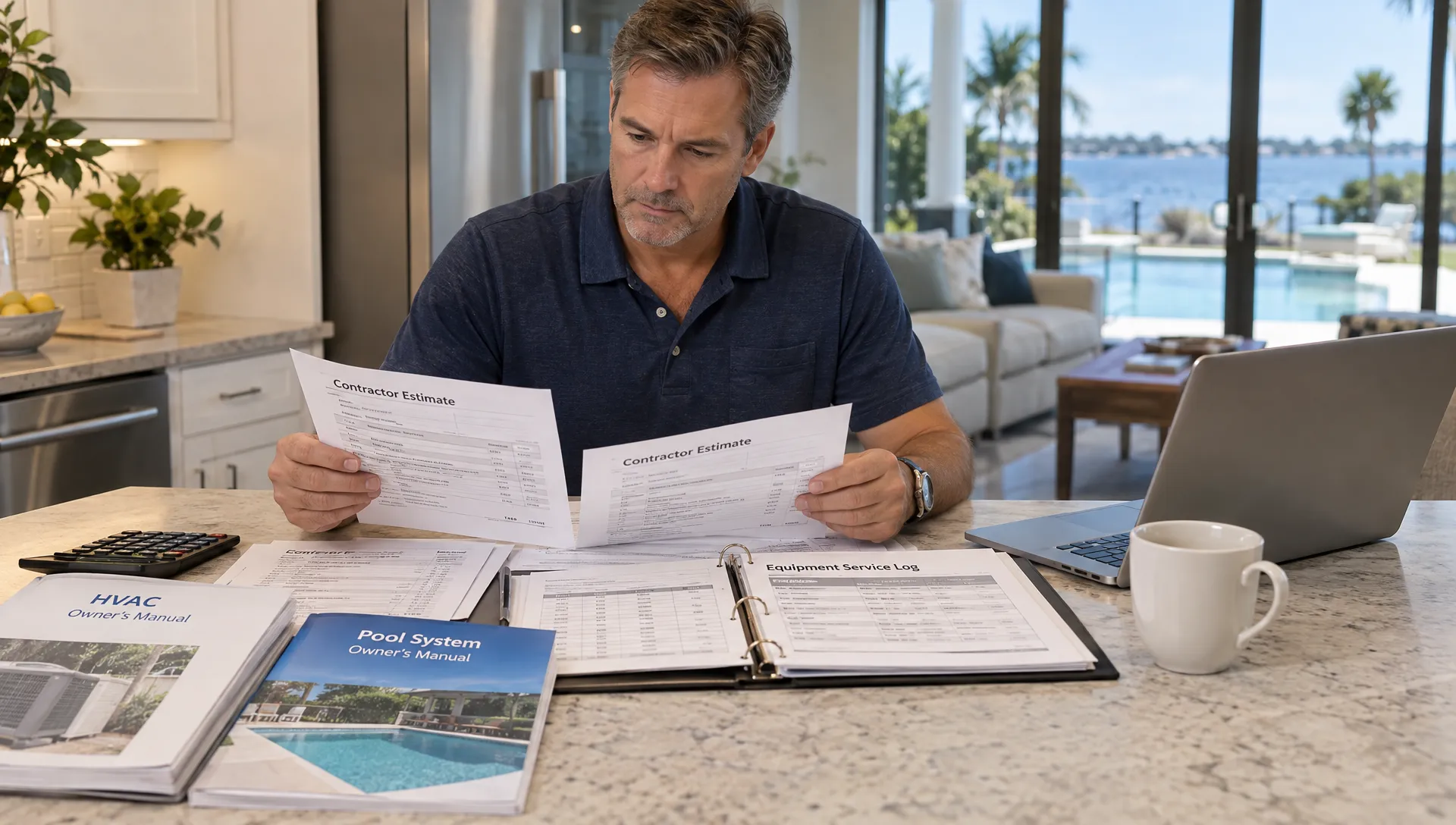
A useful maintenance record includes the location, symptom, priority, assigned vendor, expected update time and verification result. Keep an asset register with model numbers, warranties and service history so technicians don't arrive without knowing which appliance they're repairing.
Use three operational categories: stop-use or stop-arrival, urgent guest-impacting repair and scheduled noncritical work. A dangerous electrical condition belongs in the first category. A broken dishwasher may belong in the second, depending on the booking and alternatives. Cosmetic touch-ups generally belong in the third.
How often should preventive work be scheduled?
Use manufacturer instructions, qualified contractor recommendations, local requirements and the home's actual operating history. Don't copy a universal checklist and assume it fits every property.
Vacation rental maintenance needs both calendar-based tasks and event-triggered checks. A monthly appointment won't help if a storm damages outdoor equipment the following day.
| Timing or trigger | Recommended planning focus | Evidence to retain |
|---|---|---|
| Every turnover | Guest-facing functional checks and visible damage | Completed inspection and open-defect record |
| Scheduled equipment service | HVAC, pool equipment and other installed systems, following appropriate service intervals | Vendor findings, service date and next due date |
| Before peak heating or cooling demand | Performance assessment and overdue repairs | Service report and repair verification |
| After severe weather | Roof, drainage, exterior fixtures and affected equipment | Inspection findings and photographs where useful |
| During longer stays | Agreed service visits and emerging maintenance needs | Access arrangements and completed work |
| Periodic owner review | Recurring defects, warranties and replacement planning | Updated asset register and budget |
Life-safety equipment deserves its own schedule. The U.S. Consumer Product Safety Commission's carbon monoxide guidance recommends monthly CO alarm testing. Follow device instructions and applicable requirements for installation and replacement; an app notification doesn't replace required testing.
How do local conditions change the schedule?
In Scottsdale, cooling systems, irrigation and pool equipment deserve attention before heavy summer demand. Coastal California homes need checks for corrosion, wind-driven moisture and outdoor hardware deterioration. Edwards properties require cold-weather planning for plumbing, heating and exterior access.
These are planning priorities, not universal service intervals. Let the property's exposure and equipment determine the work.
For damp conditions, the EPA's guide to mold and moisture emphasizes controlling moisture. Repair the leak or condensation source rather than repeatedly cleaning the visible symptom.
The practical lesson for vacation rental maintenance is to adjust the schedule when conditions change, not only when a guest complains.
If you're managing this remotely, our guide to vacation home property management for hands-off owners explains how to evaluate the support you need. Ask who performs the inspection, who authorizes repairs and who confirms completion before you commit.
What should a maintenance budget include?
Separate routine service, unexpected repairs and capital replacements. Combining them into one vague allowance makes a property look inexpensive to operate until a major system fails.
Routine service covers planned contractor visits and consumable items. A repair reserve covers unplanned faults. Capital planning covers assets such as HVAC equipment, water heaters and pool machinery that will eventually need replacement.
Build the budget from property-specific information: equipment condition, service quotes, operating hours, warranty coverage and repair history. I wouldn't give a luxury homeowner a universal percentage and call that a plan. A coastal home with aging equipment has different needs from a recently renovated desert property.
When evaluating vacation rental maintenance spending, include the cost of disruption without pretending every preventive expense guarantees savings.
For illustration, suppose a breakdown creates a $600 repair bill, one canceled $700 night and a $150 guest concession. The immediate cash impact is $1,450 before accounting for any saved variable costs. Those are hypothetical figures, not Lumina performance data, but they show why the repair invoice alone understates exposure.
Track repeat visits too. Paying twice to address the same symptom may indicate an incomplete diagnosis, not an unusually unlucky property.
My budgeting rule: Know which assets could interrupt a stay, what their replacement options are and how quickly a qualified vendor can respond. The cheapest quote isn't necessarily the lowest-risk choice.
What happens when something breaks during a stay?
Even a well-maintained home can develop a fault. The difference is whether the guest gets a clear plan or becomes the repair coordinator.
First, separate emergencies from service issues. For fire, suspected gas leaks, electrical danger or medical emergencies, direct guests to emergency services and safe evacuation as appropriate. Don't ask them to troubleshoot hazardous equipment.
For non-emergency problems, establish what stopped working, whether the issue affects an essential service and whether a safe alternative exists. Request only the information needed to dispatch help. A guest shouldn't have to dismantle an appliance to prove there's a problem.
During an occupied stay, vacation rental maintenance also requires permission and coordination. Explain who will attend, when they're expected and whether the guest needs to be present. Set the next update time even if the repair timing remains uncertain.
At Lumina, full-service management includes guest communication, cleaning coordination and maintenance dispatch. Our AI-powered messaging support operates around the clock, with an average reply time under 10 minutes. A fast reply isn't the same as a completed repair, so owners should evaluate vendor availability and follow-through as carefully as messaging speed.
Avoid promising an arrival time until a vendor confirms it. After the visit, verify the repair and check back with the guest. “The technician attended” and “the shower works normally” are different outcomes.
How do you keep maintenance decisions consistent across a team?
Practice the decisions before a busy arrival day. Use a few property-specific scenarios: failed entry access, no hot water, an unavailable paid amenity and a visible ceiling leak.
Ask the team to identify the priority, responsible person, guest communication and conditions for closing the issue. This exposes gaps that a written checklist can hide.
For larger portfolios, operational readiness also depends on commercial judgment: managers must understand how spending, service recovery and guest expectations interact. Broader training through business simulations from StratX Simulations provides hands-on practice with strategy, marketing and sales decisions. Pair that commercial learning with property-specific maintenance drills and qualified technical training.
Your vacation rental maintenance review should then examine patterns, not just ticket counts. Track recurring faults, time to restore function, repeat contractor visits and issues discovered by guests rather than inspectors.
A falling ticket count isn't automatically progress if the team has stopped documenting defects. Better evidence is fewer repeated failures and more problems caught before arrival.
Frequently asked questions
Is maintenance the same as turnover cleaning? No. Cleaning restores hygiene and presentation. Maintenance checks whether systems and amenities function safely and reliably. A cleaner can report a defect, but specialized diagnosis and repair may require a qualified technician.
Should owners allow minor repairs during a stay? Sometimes, with appropriate notice and access coordination. Avoid unnecessary disruption for cosmetic work. Address safety issues immediately and prioritize faults affecting essential services or advertised amenities.
Can smart devices replace physical inspections? No. Smart locks, connected thermostats and sensors can provide useful information, but they don't verify every guest-facing condition. Physical checks still matter for drainage, furniture stability, appliance performance and many other issues.
How can an owner assess a manager's maintenance process? Ask for a sample inspection record, repair authorization policy and completion report. Good vacation rental maintenance should leave a clear trail from discovery to verified resolution, rather than a collection of messages saying someone will look into it.
Get a maintenance plan that fits your home
Lumina combines luxury rental management with cleaning coordination, maintenance dispatch and owner reporting, so you don't have to manage every contractor conversation yourself.
To discuss your property's operating needs and request a free revenue estimate, explore full-service management with Lumina, email newhomes@staywithlumina.com or call (602) 905-7540. Bring your current service agreements and known equipment issues; they're useful starting points for an honest conversation.
I care less about a checklist looking impressive than whether it catches the failure a guest would notice at dinner or bedtime. For the private luxury homes we manage at Lumina, maintenance belongs in the hospitality plan, not in a separate folder nobody opens until something breaks.
— Shariann