
seasonal property management
Seasonal Property Management Tips for Second Homes
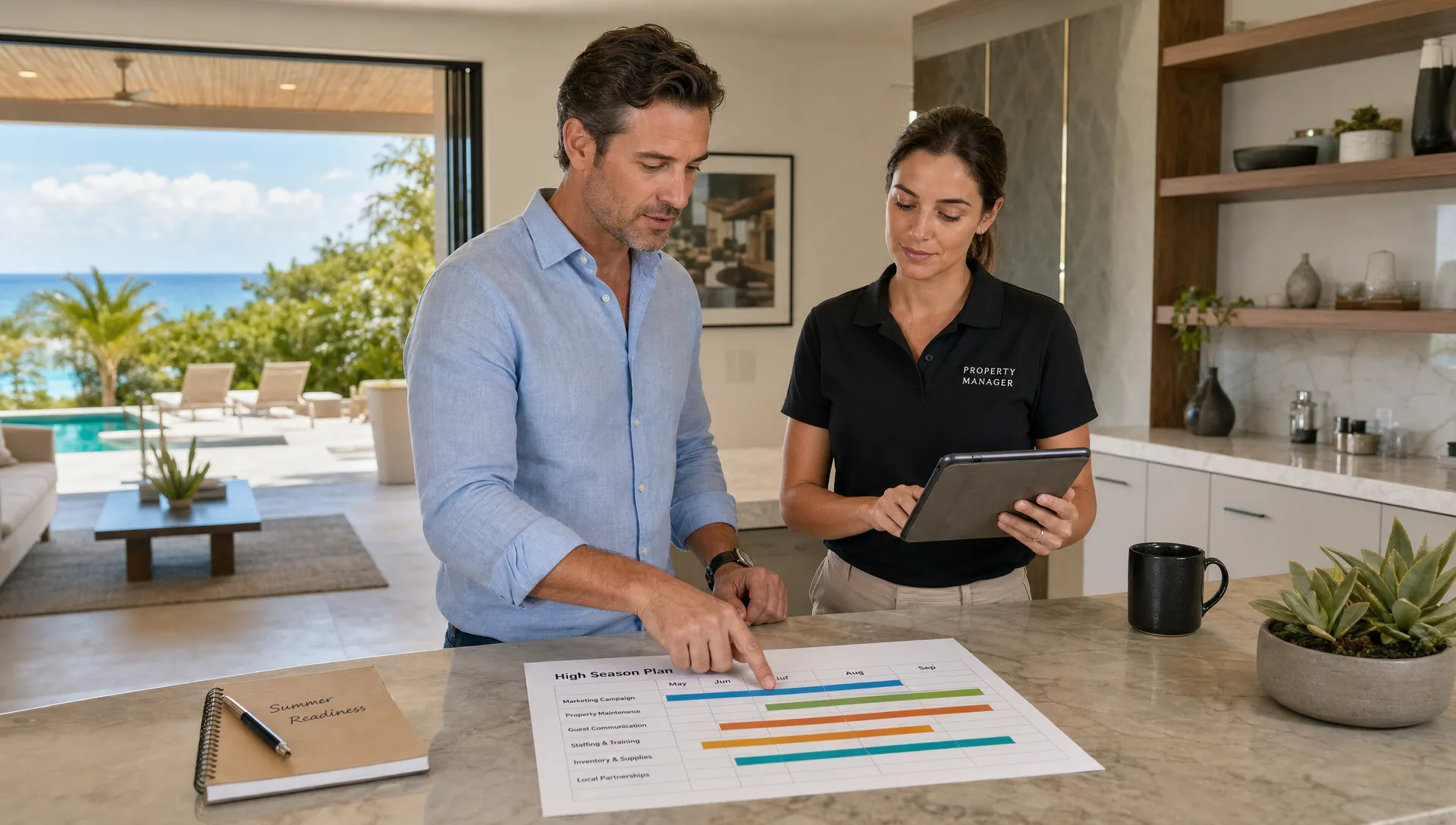
Seasonal property management is the difference between a second home that quietly protects its value and one that surprises you with leaks, bad reviews, unused weeks and margin-killing maintenance. For luxury owners, it means planning maintenance, pricing, guest setup, vendor coverage and owner stays around the real rhythm of the market, not reacting after peak season has already started.
A second home is not a static asset. It changes every month because weather changes, demand changes, guest expectations change and your own use of the home changes. The owners who do best are not the ones who work the hardest. They are the ones who build a seasonal operating plan before the season tests the house.
At Lumina, we manage homes across markets that behave very differently: Scottsdale heat and pool demand, California coastal salt air, Colorado freeze risk, Oregon rain and Puerto Rico humidity. A generic manager may apply the same checklist everywhere. We don't, because the house doesn't experience the same risks everywhere.
What Seasonal Property Management Means for a Second Home
Seasonal property management is the planned coordination of maintenance, pricing, guest operations, vendor coverage and owner use based on local demand cycles and climate risk.
For a luxury second home, that includes more than opening the calendar and sending a cleaner after checkout. It means knowing when to service the HVAC before it fails, when to adjust pool heat rules, when to refresh linens before peak stays, when to block owner weeks and when to raise rates because demand is about to outpace supply.
What does seasonal property management include for a second home?
Seasonal property management includes five core responsibilities: preparing the home before demand arrives, protecting the asset during harsh weather, adjusting rates to match market demand, maintaining a guest-ready experience and closing the loop after each season with inspections and repairs.
Here is the practical view we use when evaluating a second home:
| Seasonal area | What needs to happen | Why it matters |
|---|---|---|
| Maintenance | HVAC, pool, roof, gutters, pest control, appliances and exterior checks | Prevents emergencies during expensive weeks |
| Revenue | Seasonal pricing, minimum stays, owner blocks and holiday strategy | Protects income during peak demand |
| Guest readiness | Linens, supplies, outdoor areas, Wi-Fi, access and arrival instructions | Keeps reviews strong when expectations are highest |
| Climate preparation | Heat, freeze, humidity, storm or wildfire planning depending on market | Reduces property damage risk |
| Vendor coverage | Cleaner, handyman, pool tech, landscaper and emergency backup plans | Keeps operations moving when vendors are busiest |
This is where many owners get caught. They think seasonal management is a maintenance topic. It is also a revenue topic. A pool that is not priced correctly, a minimum stay rule that is too loose or a three-night owner block during peak demand can cost more than the repair bill you were trying to avoid.
Build a Seasonal Property Management Calendar Before Peak Demand
The best time to prepare for peak season is usually 60 to 90 days before it begins. By the time travelers are booking holiday weeks, spring training trips, ski stays or summer beach weekends, your photos, pricing, amenities and vendor plans should already be set.
A basic annual calendar should separate the year into four operating windows:
| Timing | Owner focus | Management focus |
|---|---|---|
| 90 days before peak season | Confirm personal use dates and income goals | Rate strategy, listing refresh, vendor scheduling and preventive maintenance |
| 30 days before peak season | Approve repairs, amenity upgrades and house rules | Deep inspection, supply restock, guest guide updates and system testing |
| During peak season | Avoid last-minute owner blocks unless necessary | Fast response times, quality control, maintenance triage and review protection |
| After peak season | Review net income and property wear | Deep clean, repair list, linen replacement and next-season planning |
We learned the hard way that pool heat in Scottsdale can erase the upside of a winter booking if it's treated as a free amenity. Now we model it before the season, write clear fee rules and use smart controls where appropriate. Guests get a better experience because expectations are clear, and owners are not surprised by utility bills after checkout.
That is the difference between managing a home and reacting to a home.
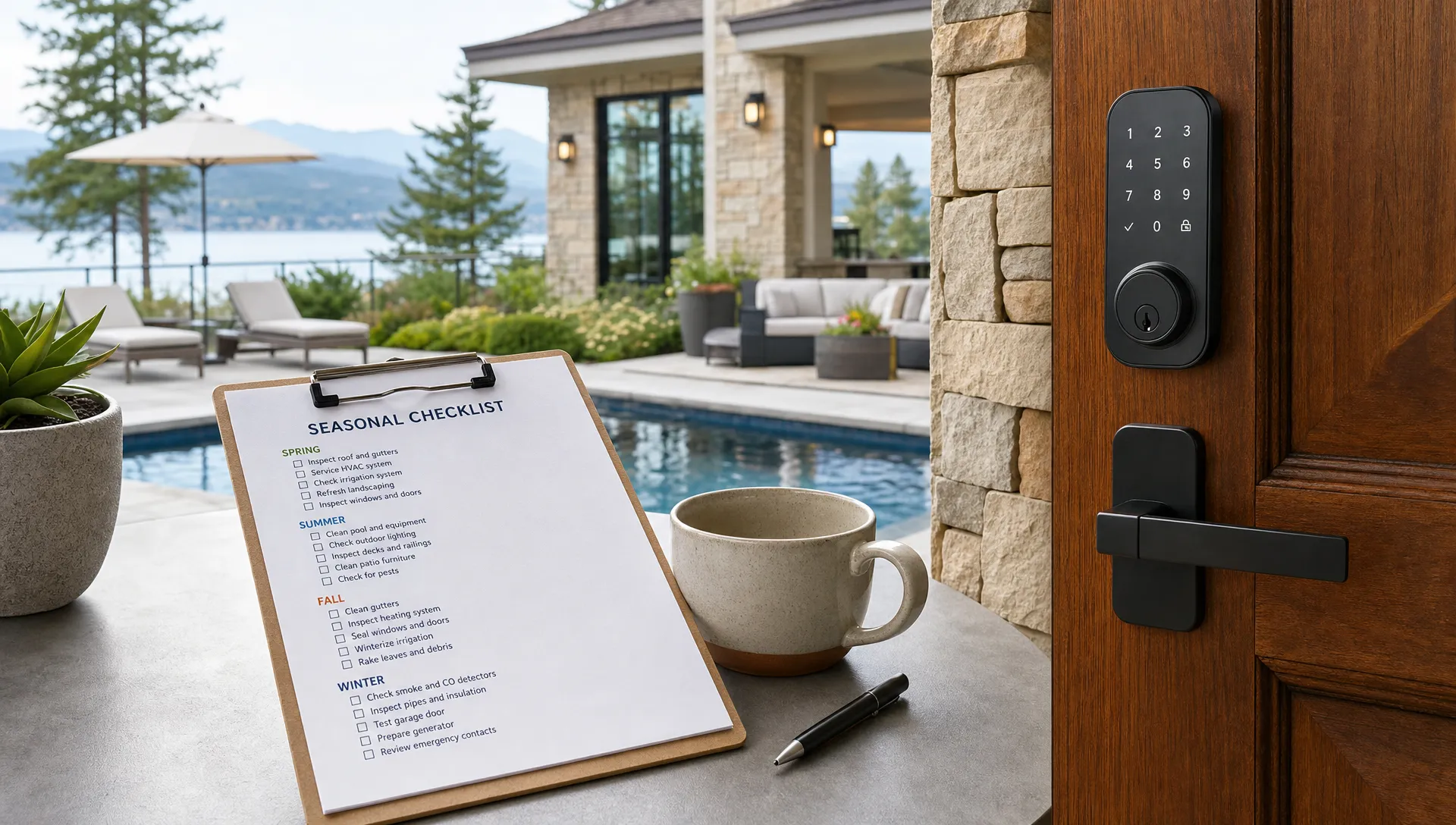
Seasonal Maintenance Tips by Property Type and Market
Every market has a different failure pattern. Luxury owners do not need a bigger checklist. They need the right checklist for the house, the season and the type of guest staying there.
Scottsdale and desert homes
In desert markets, the big issues are heat load, pool systems, landscaping, dust, pests and outdoor living areas. Summer can be brutal on HVAC systems, but winter is often when the highest-value stays happen. That means maintenance needs to happen before demand hits.
For Scottsdale-style homes, we pay close attention to:
- HVAC service before summer heat and before heavy holiday occupancy
- Pool equipment, pool heat settings and chemical balance
- Irrigation systems and landscape health
- Outdoor furniture, umbrellas, fire pits and grill condition
- Pest control around patios, garages and entry points
The detail that owners miss most often is outdoor wear. Guests book luxury desert homes for the pool, spa, patio and sunsets. If those areas feel neglected, the home loses its luxury positioning even if the interior is beautiful.
Coastal California homes
Coastal homes have a different rhythm. Salt air, marine layer moisture, sand and heavy summer use create steady wear that is easy to underestimate. A beach home may not have the dramatic freeze risk of a mountain property, but corrosion and moisture can quietly damage hardware, fixtures, outdoor kitchens and HVAC components.
For coastal homes, seasonal planning should include exterior rinse-downs, window care, dehumidification where needed, outdoor fabric checks and appliance inspections. Summer guests also expect beach-ready details: fresh towels, working outdoor showers, clean grills and easy parking instructions.
Colorado mountain homes
Mountain homes need winter readiness. That means snow removal, freeze prevention, fireplace safety, hot tub service, driveway access and backup plans for delayed arrivals. A luxury guest who arrives after dark in snow does not care that the storm was unusual. They care whether the driveway is passable and the home is warm.
The U.S. Department of Energy notes that smart thermostats can help reduce heating and cooling use when programmed well, and we use that principle operationally. A second home should not sit overheated when empty, but it also cannot be allowed to drop into risky temperature ranges before a winter arrival.
Humid and storm-prone homes
In humid markets like Puerto Rico, the priorities shift again. Air conditioning, ventilation, mold prevention, drainage and storm preparation matter. The federal Ready.gov hurricane guidance is blunt about preparation: make a plan before the storm, not when warnings start. For property owners, that means vendor contacts, outdoor furniture protocols, backup supply plans and inspection routines before hurricane season.
Humidity is also a guest experience issue. A luxury home that smells musty on arrival has already lost the first impression. Moisture control is part of hospitality, not just maintenance.
Price Like a Seasonal Business, Not a Spare House
Many second-home owners underperform because they price emotionally. They set a rate they would feel comfortable paying, or they copy a neighbor's listing without adjusting for amenities, calendar compression, review quality, property design or management standards.
Seasonal pricing should answer three questions:
- When is demand naturally strongest in this market?
- Which weeks deserve premium minimum stays?
- Which slower periods need value-added positioning instead of random discounts?
For luxury homes, the goal is not to be booked every night. The goal is to earn the best net return while protecting the home and guest experience.
| Season type | Common mistake | Better strategy |
|---|---|---|
| Peak season | Filling the calendar too early at conservative rates | Hold premium weeks for stronger pricing and better minimum stays |
| Shoulder season | Discounting without improving the offer | Package the stay around remote work, couples trips or local events |
| Low season | Letting the home sit stale online | Refresh photos, test longer stays and complete maintenance projects |
| Holiday weeks | Allowing short gaps between bookings | Use minimum stays to reduce turnover pressure and protect revenue |
One of the quiet advantages of full-service management is that we can connect revenue decisions to operations. If a holiday checkout leaves only six hours before the next arrival, that may look good on a calendar but create unnecessary risk for cleaning, maintenance and inspection. Luxury homes need breathing room at the right moments.
If you are deciding how much support your home needs, our guide to vacation property management services owners need breaks down what a real operating scope should include.
Adjust the Guest Experience by Season
Seasonal management is not just behind-the-scenes work. Guests feel it.
A winter guest wants different things than a summer guest. A family staying for spring break has different needs than an executive staying for three weeks. A couple celebrating an anniversary will notice if the home feels intentionally prepared instead of merely cleaned.
For seasonal guest readiness, we adjust:
- Pre-arrival messaging based on weather, parking, access and local timing
- House guides with seasonal recommendations and amenity instructions
- Supplies such as pool towels, throws, extra hangers, coffee, paper goods and laundry basics
- Outdoor setups including shaded seating, fire features, heaters or beach gear where relevant
- Maintenance windows so guests are not surprised by pool techs, landscapers or repair vendors
For executive and extended-stay guests, we also think beyond the front door. A transportation handoff, early grocery drop or late arrival plan should feel coordinated. I look at premium service partners outside hospitality, like executive chauffeur services from Stuur Chauffeurs, because the lesson is the same: affluent clients notice when logistics are handled before they have to ask.
That is why Lumina leans heavily on proactive communication. Our AI-powered guest service supports 24/7 instant response with an under 10-minute average reply time, but the technology only works because the operating plan behind it is specific. Fast replies do not help if the answer is vague.
Protect Owner Use Without Sacrificing the Best Weeks
Second homes are personal. I never tell an owner not to use their own home. The mistake is blocking dates too late or blocking peak weeks without understanding the revenue tradeoff.
For seasonal property management, owner use should be planned the same way revenue is planned. If your family always wants Thanksgiving, spring break or two July beach weeks, block them early. If your dates are flexible, it may be better to use shoulder-season weeks and keep the highest-demand dates open for premium bookings.
This is especially true for luxury properties where one peak stay can outperform several off-season stays. A casual owner block may cost more than expected once you factor in rate compression, calendar gaps and missed minimum-stay opportunities.
Should owners keep personal items in a seasonal rental?
Owners can keep personal items in a second home, but they should not be mixed into guest-facing spaces. Use locked owner storage for sentimental, expensive or personal belongings. Guest areas should feel curated, not like someone temporarily moved out.
The same applies to seasonal decor. Thoughtful holiday touches can work. Overly personal decor, fragile items or religiously specific displays can create avoidable issues. Keep the home elegant, durable and easy to reset.
Use Technology, But Do Not Let It Replace Judgment
Smart home technology is useful when it supports the guest and protects the owner. It becomes a problem when owners install devices without an operating plan.
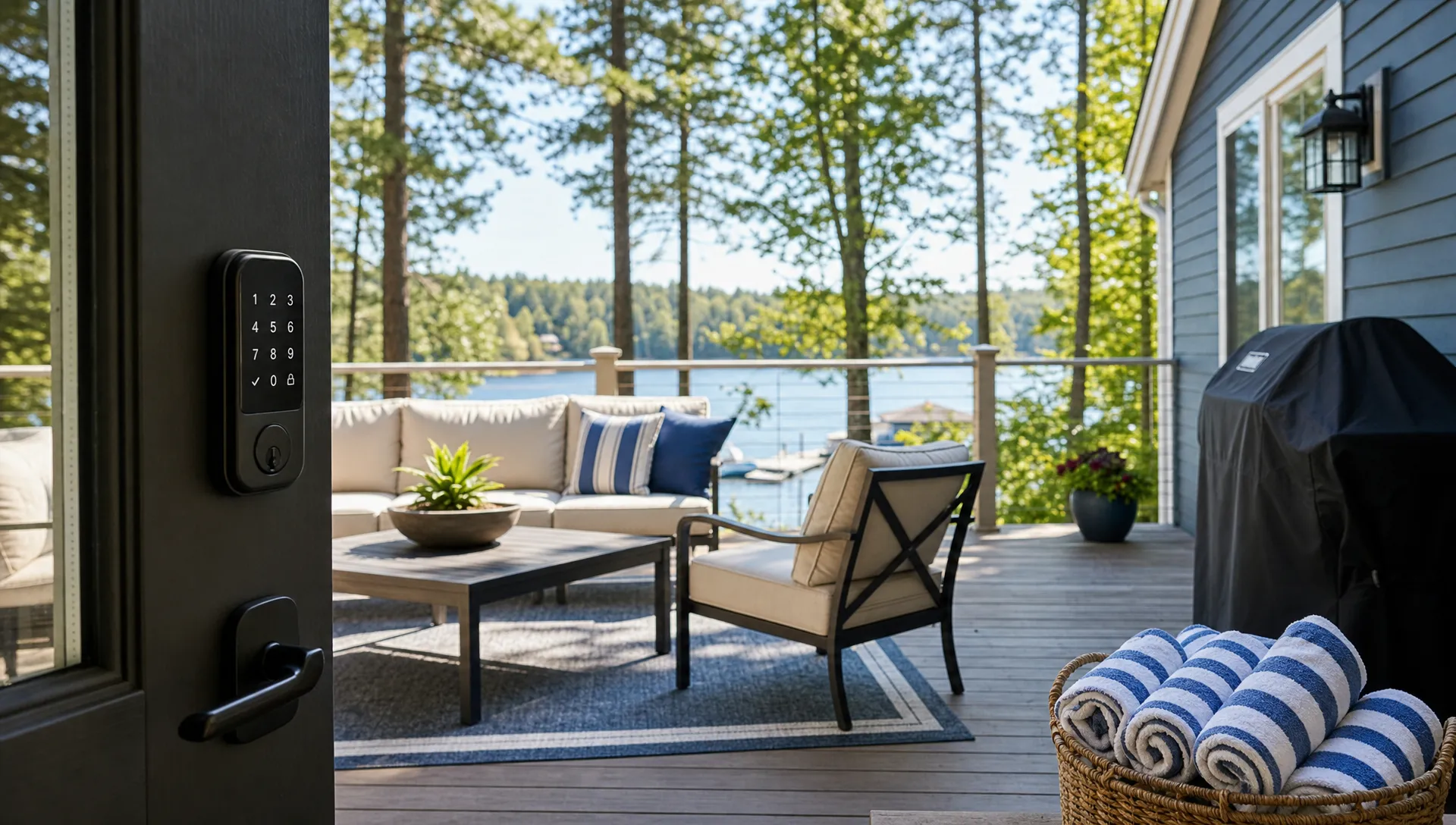
For luxury second homes, the most useful systems are typically smart locks, smart thermostats, Wi-Fi monitoring, exterior cameras where legally appropriate, noise monitoring that respects privacy and connected leak detection in high-risk areas.
One of our owners was hesitant about smart locks because he thought guests would find them impersonal. Six months in, the feedback moved the other direction. Guests liked arriving on their schedule without waiting for a key handoff, and the owner liked not worrying about lost keys or vendor access.
Technology should reduce friction. It should not make the home feel automated in a cold way. That balance matters in luxury hospitality.
Self-Managed vs. Full-Service Seasonal Property Management
Some owners can self-manage a second home successfully, especially if they live nearby, have flexible schedules and know the vendor market. The challenge is that seasonal management becomes harder as the home gets more valuable, the guest expectations rise or the owner lives out of state.
Here is the honest comparison:
| Management model | Best fit | Seasonal risk |
|---|---|---|
| Self-managed | Local owner with time, vendor relationships and hospitality experience | Missed maintenance, slow guest response, emotional pricing decisions |
| Light co-hosting | Owner wants help with messaging or calendar tasks | Gaps in maintenance, revenue strategy and accountability |
| Full-service management | Hands-off owner, luxury home, out-of-state investor or high guest expectations | Higher management cost, but stronger operational coverage |
For luxury homes, I usually worry less about whether an owner can handle one booking. I worry about what happens when three things happen at once: a same-day turnover, a maintenance issue and a guest arriving early. Peak season exposes weak systems quickly.
If you want a deeper breakdown, we explain the operating differences in our article on short-term rental management for luxury homeowners.
How Often Should a Second Home Be Inspected Between Seasons?
A second home should be inspected before peak season, after peak season and after any high-wear stay or severe weather event. For homes that sit vacant, I prefer routine checks even when there are no bookings, because small problems become expensive when no one is walking the property.
A proper seasonal inspection should not be a quick glance. It should cover:
- Water intrusion, plumbing fixtures and under-sink areas
- HVAC performance, filters and thermostat settings
- Pool, spa, irrigation and exterior lighting
- Appliances, cookware, linens and guest supplies
- Outdoor furniture, grills, umbrellas and fire features
- Smart locks, Wi-Fi, remotes, batteries and access codes
The most expensive sentence in second-home ownership is, "I thought someone was checking that." A seasonal plan should name who checks, when they check and what proof the owner receives afterward.
What to Ask Before Hiring a Seasonal Property Manager
Do not hire based only on a percentage fee. A low fee can become expensive if the manager does not protect peak-season revenue, inspect the home correctly or respond fast when guests need help.
Ask direct questions:
- How do you change pricing between peak, shoulder and low season?
- Who inspects the home before and after high-demand periods?
- How do you handle pool heat, snow removal, storm prep or humidity issues?
- What is your average guest response time?
- How do you coordinate vendors when the owner is out of state?
- What reporting will I receive after the season ends?
A good manager should answer specifically. If the answer sounds like a brochure, keep asking. Our article on what to ask vacation rental property managers first gives owners a stronger interview framework.
Frequently Asked Questions
Is seasonal property management worth it for a second home? Yes, if the home sits vacant part of the year, operates as a vacation rental or requires market-specific upkeep. Seasonal management helps prevent maintenance surprises, protects peak revenue and keeps the home guest-ready.
How far ahead should I prepare my second home for peak season? Start 60 to 90 days before peak demand. That gives enough time for repairs, photos, pricing adjustments, vendor scheduling, supply replacement and owner date planning.
Can seasonal property management increase rental income? It can, especially when pricing, minimum stays and owner blocks are managed around true demand. It also protects income indirectly by reducing bad reviews, emergency repairs and avoidable guest refunds.
What is the biggest mistake second-home owners make seasonally? Waiting until the season starts. By then, the best vendors are booked, pricing windows may be missed and small maintenance issues can become guest-facing problems.
Do luxury homes need a different seasonal plan than standard rentals? Yes. Luxury guests expect privacy, smooth access, premium outdoor spaces, fast communication and a home that feels intentionally prepared. The margin for error is smaller.
A Practical Next Step for Second-Home Owners
If you want your second home to earn well without becoming another job, build the seasonal plan before the calendar fills. That plan should cover pricing, maintenance, guest experience, vendor coverage, smart home access and your own personal use of the property.
Lumina handles full-service luxury property management for owners who want the income without the daily work. To get a free revenue estimate or discuss whether your home fits our portfolio, email newhomes@staywithlumina.com, call (602) 905-7540 or list your property with Lumina.
Personal note: I care about seasonal planning because this is where owners either protect the home or slowly let it get away from them. The best luxury stays feel effortless to guests, but that only happens when the work was done weeks or months earlier.
- Shariann