
airbnb vacation rental management
Airbnb Vacation Rental Management Beyond Guest Messaging

Airbnb vacation rental management should deliver a ready home, resolved problems and accountable financial decisions, not just fast replies. A manager can answer every message promptly while leaving an owner to chase contractors, approve routine expenses and discover maintenance failures through reviews. Before you hire, ask for evidence of what happens after the reply: who takes responsibility, what authority they have and how completion gets verified.
At Lumina, we use AI-powered communication. We also coordinate cleaning, maintenance, pricing and bookings. Those are separate responsibilities, and owners should evaluate them separately.
What should Airbnb vacation rental management own?
Full-service management means responsibility for the rental operation, not simply access to the guest inbox. Technology can acknowledge a problem. Someone still has to decide what it requires, arrange the work and confirm that the guest can use the home as promised.
Here’s the distinction I’d use when comparing proposals:
<table> <thead> <tr><th>Situation</th><th>Messaging-only response</th><th>Operational responsibility</th></tr> </thead> <tbody> <tr><td>A guest cannot enter</td><td>Resends check-in instructions</td><td>Checks access, activates a fallback and confirms entry</td></tr> <tr><td>The pool is cold</td><td>Explains the heating instructions</td><td>Checks the booking terms, equipment and need for service</td></tr> <tr><td>A cleaner reports a leak</td><td>Notifies the owner</td><td>Limits damage, arranges repair and verifies readiness</td></tr> <tr><td>A guest requests compensation</td><td>Sends an apology</td><td>Documents the disruption and applies agreed approval rules</td></tr> </tbody> </table>The messaging column isn’t useless. It’s incomplete.
Good Airbnb vacation rental management connects communication to action without making the owner the default dispatcher. A company calling itself “full service” should explain where its responsibility ends before you sign, not during a Friday-night equipment failure.
How should a guest problem move from message to resolution?
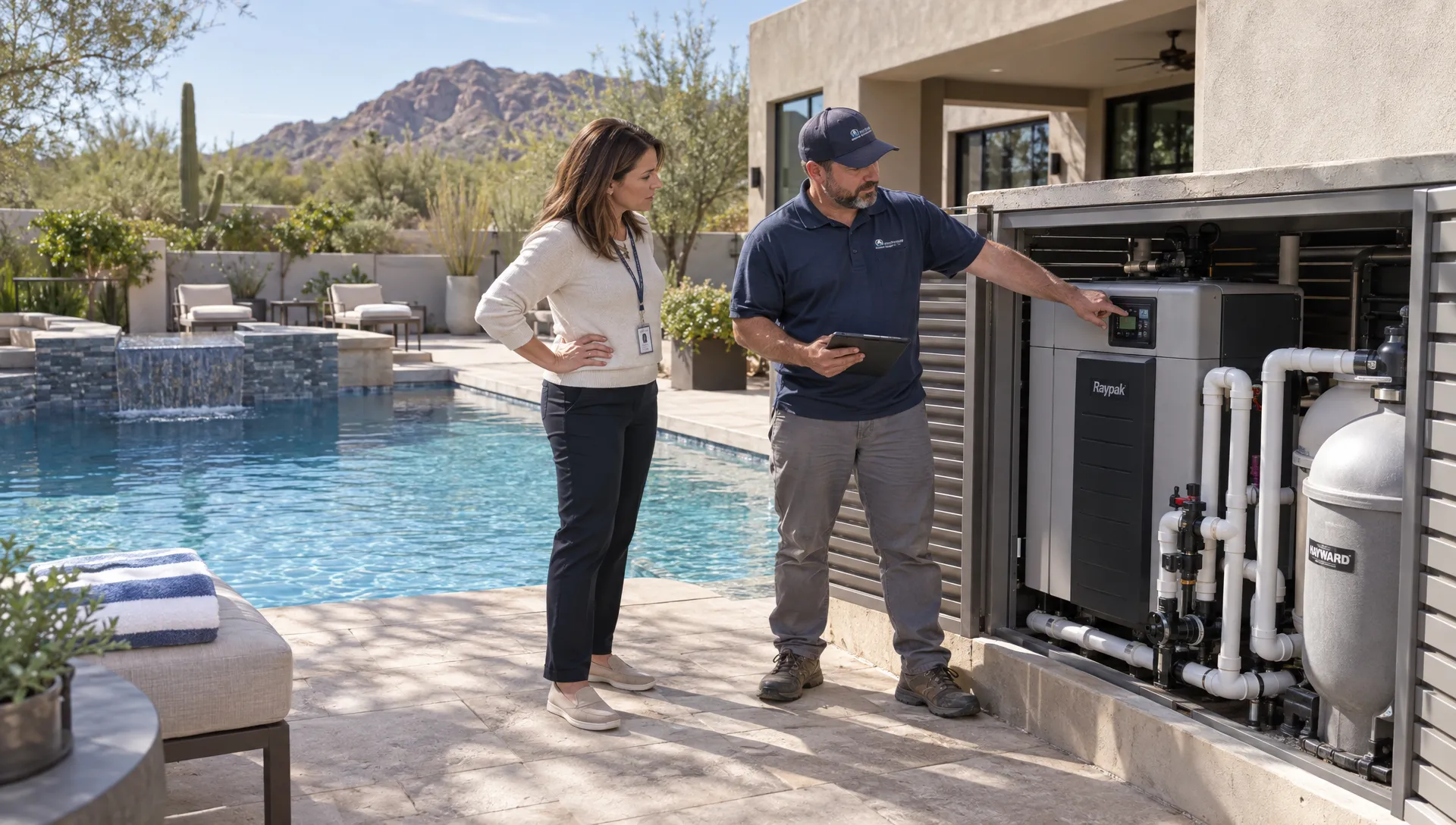
Consider an illustrative winter arrival at a Scottsdale home with a private pool. This isn’t a reported Lumina incident; it’s a realistic scenario for testing a management proposal.
The guest says the pool feels cold. A quick apology is easy. Resolving the issue requires several decisions, and each one needs an owner.
Does the manager check the facts before promising a fix?
First, establish what the reservation includes. Was pool heating purchased or included? What temperature expectations were communicated? Is the equipment running, and has it had enough time to heat the water?
A manager shouldn’t promise an immediate temperature change before checking those facts. Nor should they dismiss the guest by copying instructions into the chat.
For Airbnb vacation rental management, the useful response combines an immediate check with an honest expectation: what can be investigated now, what requires a technician and when the guest will receive another update.
That protects both the guest experience and the owner from promises the equipment cannot meet.
Who can authorize the next step?
A contractor may need approval before attending. If every routine callout depends on reaching the homeowner, the owner is still managing part of the operation.
Set spending authority in advance. The agreement should distinguish routine repairs from urgent action needed to protect people or prevent property damage. It should also explain how exceptions get documented.
Ask who approves an after-hours visit, who can offer a service-recovery credit and when the owner must be contacted. There isn’t one correct threshold for every home. A property with extensive outdoor amenities has different exposure from a smaller home without a pool.
The point is to make those decisions before a guest is waiting.
What proves the problem is closed?
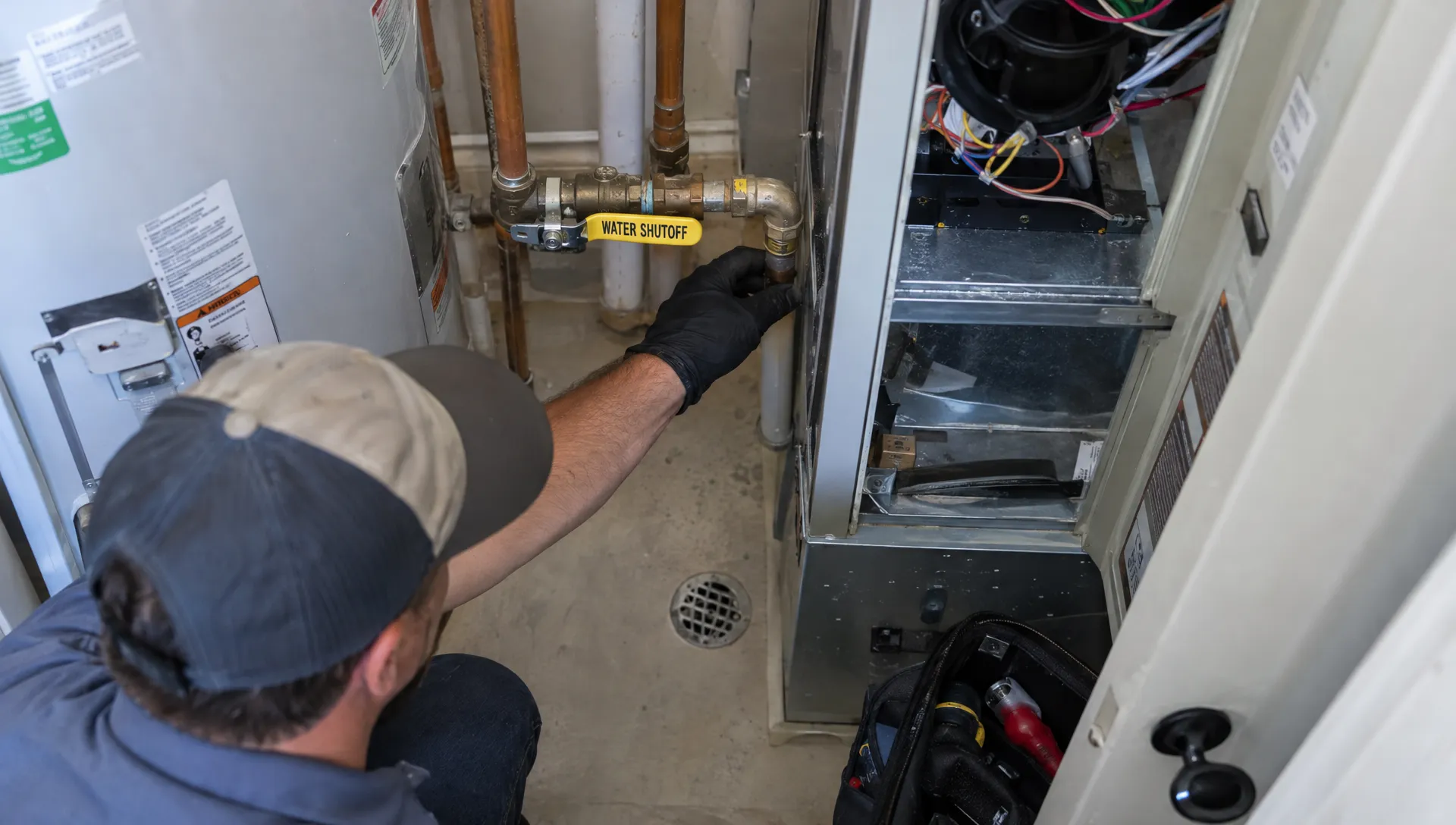
A vendor accepting a job doesn’t mean the repair is finished. A repair invoice doesn’t necessarily mean the amenity is working.
Closure should match the problem: an equipment check, a completed inspection or confirmation that the guest has regained access. For recurring faults, the manager should also decide whether a temporary repair is enough or replacement needs consideration.
Our guide to vacation rental maintenance that protects reviews explores the preventive side of this work. The same principle applies during a stay: don’t confuse activity with completion.
Airbnb vacation rental management earns its fee when someone carries that responsibility through to the end, rather than forwarding updates between the guest, contractor and owner.
Where should AI stop and a person take over?
At Lumina, Conduit AI supports guest messaging around the clock, and our average guest response time is under 10 minutes. That’s a communication measure, not a promise that every physical problem can be repaired within 10 minutes.
AI is useful for consistent instructions, routine questions and collecting information. Judgment becomes more important when a message involves safety, conflicting facts, equipment failure or compensation.
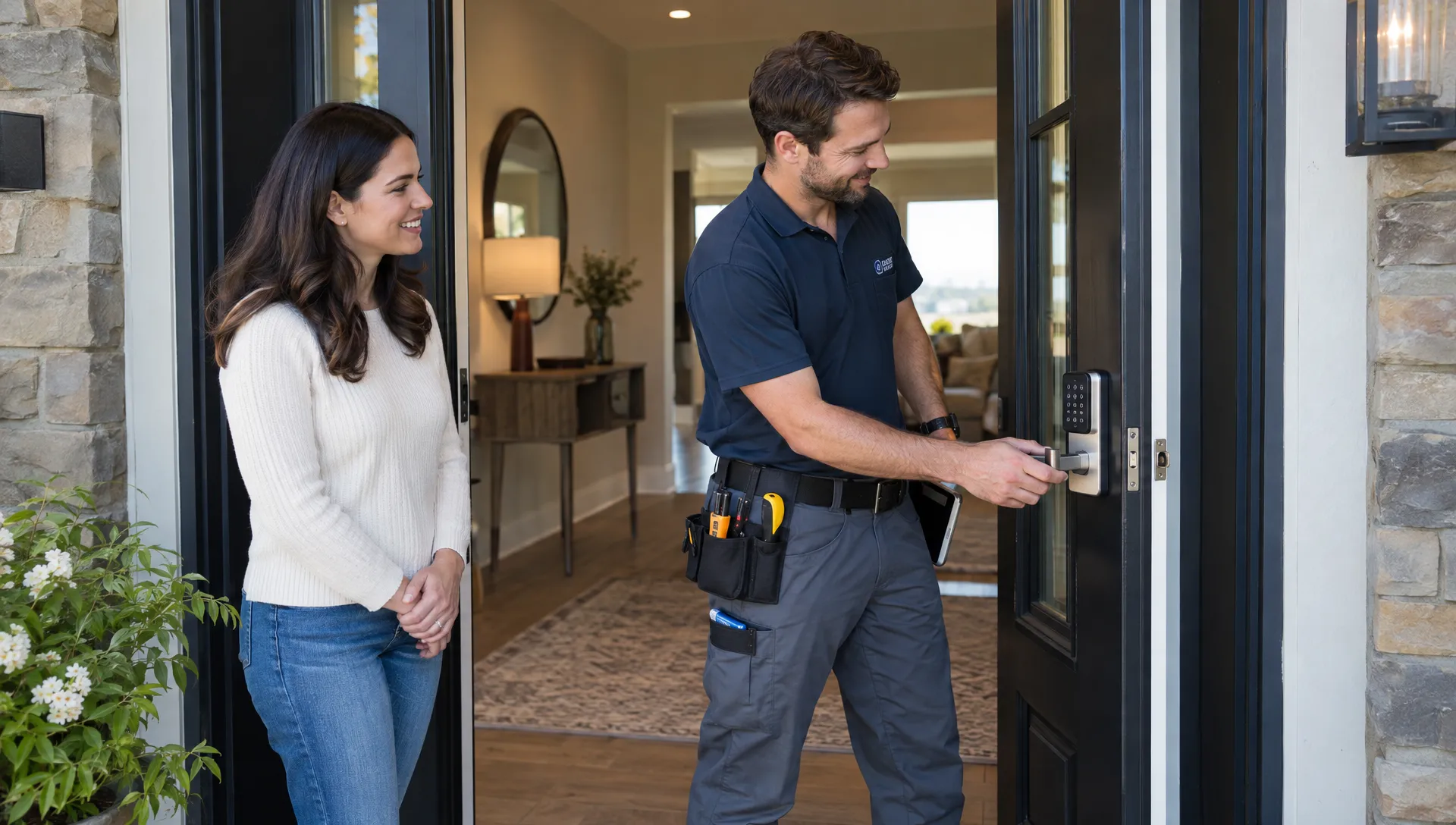
A guest saying “the door code doesn’t work” needs a different response from a guest reporting a damaged door. The first may require access troubleshooting. The second may require an immediate security assessment and an on-site response.
The standard for Airbnb vacation rental management should be a clear handoff, not an endless automated conversation. Ask what triggers escalation and who receives it. Then ask what happens if that person doesn’t respond.
There’s a useful service lesson outside hospitality: My Smile Dental’s approach to patient comfort explicitly acknowledges the anxiety people can feel before receiving care. For rental operations, the relevant lesson is to reduce uncertainty. Tell guests who is helping, what happens next and when they’ll hear back, without making promises you can’t support.
If you’re comparing management options, share your property’s amenities and the responsibilities you want to hand over with our team at newhomes@staywithlumina.com. Start with the operating scope, not just the headline fee.
Which reports show whether the work gets done?
A monthly revenue statement tells you what happened financially. It doesn’t tell you whether a recurring leak was fixed or whether the same cleaner missed the same inspection item twice.
Ask a prospective manager what records owners can review. Useful evidence includes the original issue, the assigned person, the action taken, the cost and the closure note. Not every guest question needs an extensive file, but expensive or recurring problems deserve a traceable history.
For Airbnb vacation rental management, I’d separate three measurements:
- Response time: How quickly someone acknowledges the issue and starts assessing it.
- Resolution time: How long it takes to restore the affected service or establish a safe alternative.
- Repeat incidents: Whether the same fault returns after it was marked complete.
Don’t demand a universal repair deadline. A lock battery and a failed refrigerator compressor involve different work and availability. Demand a defined escalation process and an explanation when a case remains open.
Also ask how unavailable nights are recorded. A maintenance problem can reduce income even when no guest sends a complaint. If the calendar stays blocked while everyone waits for a decision, that belongs in the owner’s performance discussion.
Lumina provides visibility into performance, occupancy and revenue. When comparing any manager, ask separately how operational updates and repair records are communicated.
How much should management cost, and what should the fee cover?
There’s no useful single price without a defined scope and fee basis. A percentage of rental revenue and a flat monthly charge can each be reasonable, but neither tells you what work remains yours.
Ask whether the quoted fee applies to accommodation revenue only or also to cleaning charges and other amounts collected. Clarify maintenance coordination charges, vendor markups, onboarding costs, photography, supplies and contract-exit costs. Don’t assume these are included or excluded.
For Airbnb vacation rental management, compare net owner income after costs, not a higher nightly rate in isolation.
Here’s a simplified illustration, not Lumina pricing or an earnings forecast. Suppose a home generates $12,000 in monthly accommodation revenue, the hypothetical management fee is 20% and other owner-paid operating costs total $1,800. That leaves $7,800 before debt service, income taxes, capital reserves and any expenses omitted from the example.
The calculation only becomes useful when you know what sits inside that $1,800 and whether guest-paid charges have been treated consistently. A clean-looking estimate can hide excluded expenses.
Our explanation of when vacation rental management pays for itself goes deeper into that comparison. For this decision, the operational question matters just as much: does the fee remove work from your plate, or simply add a communication layer above it?
How can you test a manager before signing?
Don’t ask only whether a company offers maintenance, dynamic pricing or guest support. Most proposals will say yes. Give the team a specific situation and follow the responsibility through.
Use these four steps in the interview:
- Present one realistic failure: Choose something relevant to your home, such as a failed smart lock, a leaking dishwasher or an unavailable hot tub before arrival.
- Follow the handoff: Ask who receives the issue, who contacts the vendor and what happens outside normal working hours.
- Test the authority: Ask what can be spent or offered without your approval and how exceptions are recorded.
- Request sample evidence: Ask for an anonymized incident record, inspection checklist or explanation of how completed work is documented.
A credible answer may include limits. A manager who says a specialized part could take several days is giving you more useful information than one promising to “handle everything” without qualification.
The trade-off with full-service Airbnb vacation rental management is that you pay for coordination and delegate decisions within agreed boundaries. In return, you should spend less time dispatching vendors and answering routine operating questions. If you prefer to select every contractor and approve every expense, make that preference explicit rather than expecting a hands-off arrangement to work around it.
At Lumina, our owner offering includes cleaning coordination, maintenance dispatch, pricing optimization, listing creation and multi-platform distribution. Those responsibilities sit alongside guest messaging, not underneath it as optional afterthoughts. The management agreement should turn that scope into clear expectations.
Frequently asked questions
Is a co-host the same as a full-service property manager? Not necessarily. “Co-host” describes a role, but the actual scope can range from messaging support to extensive operational work. Compare the written responsibilities, decision authority and local service arrangements rather than relying on the label.
Can software replace an on-site management team? Software can automate instructions, organize bookings and flag issues. It cannot inspect a leak, replace a broken lock or confirm that a turnover meets the home’s standard. Airbnb vacation rental management needs dependable physical execution as well as digital tools.
What should I check in a management contract? Check the fee basis, included services, spending authority, emergency process, owner-use rules, termination terms and access to records. Clarify who controls listing content, accounts, calendars and connected devices when the relationship ends. Local legal advice can help with obligations specific to your property.
Get a proposal that explains who does the work
Ask us for a free revenue estimate and a conversation about your home’s operating needs. We’ll discuss the property, its market and the responsibilities you want to delegate, so you can evaluate more than a projected revenue number.
Explore property management with Lumina, email newhomes@staywithlumina.com or call (602) 905-7540.
I don’t want owners judging our work only by how quickly we answer a message. Across Lumina’s homes, the more meaningful standard is whether communication leads to action, whether the property is ready and whether owners understand the decisions being made.
— Shariann