
vacation rental property management
Vacation Rental Property Management for Hands-Off Owners
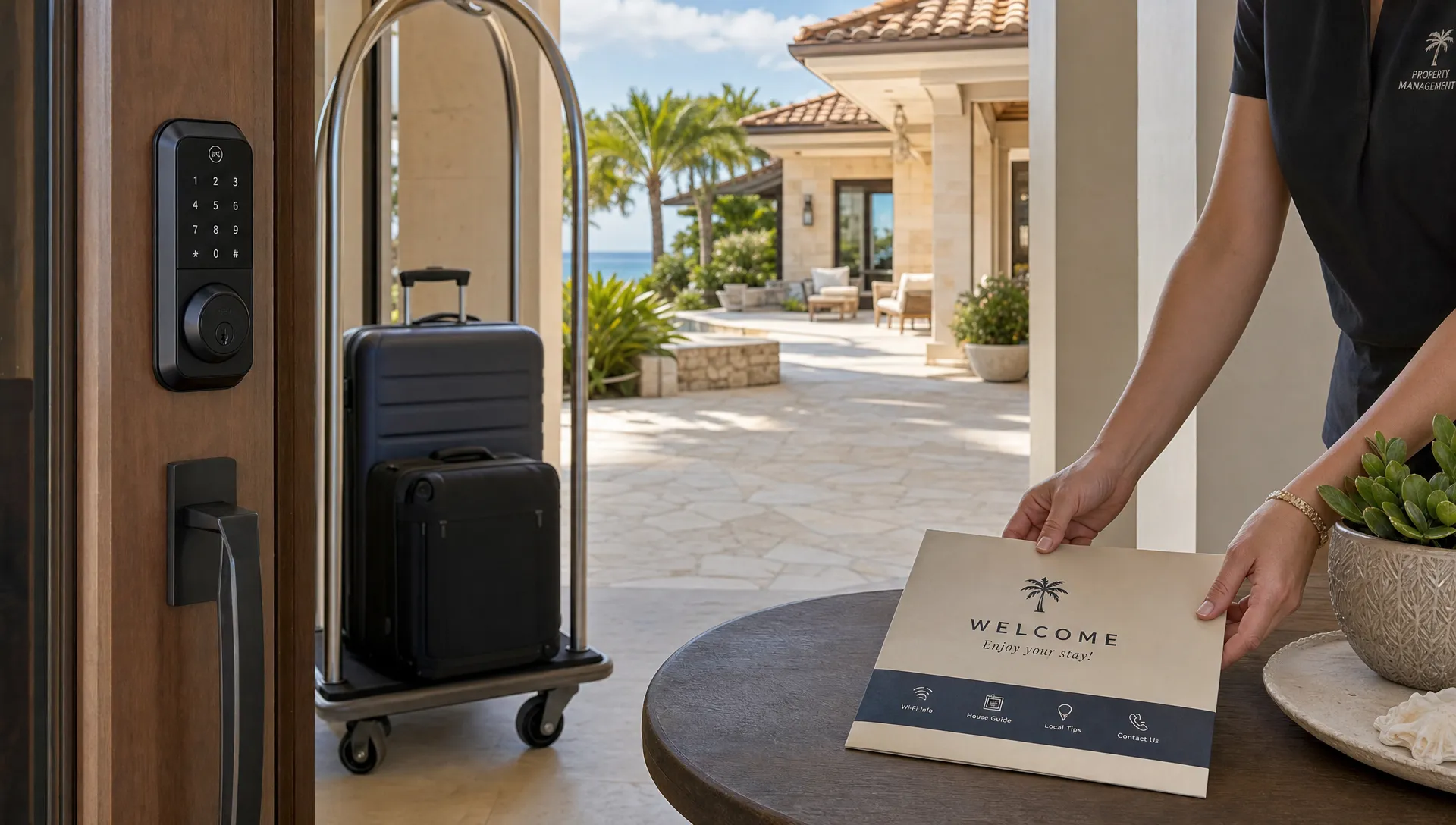
Vacation rental property management for hands-off owners should remove the work, not rename it. A true full-service manager turns a second home into a professionally operated rental without making the owner the backup plan. That means the manager owns pricing, listing strategy, guest messaging, cleaning, maintenance, smart-home setup, local readiness, and reporting. If you still approve every cleaner, answer late-night questions, or wonder whether your rate is leaving money on the table, you are not hands-off. You are self-managing with help.
We manage luxury homes for owners who want income, asset care, and guest quality without building a hospitality business themselves. That is the lens for this guide: what a property manager should handle, what to ask before signing, and how to know whether your home is ready for a full-service model.
What vacation rental property management should handle
Vacation rental property management is the operating layer between your home and the guest. It is not just listing a property online or answering messages. For luxury homes, it should cover the entire guest and owner experience from positioning to checkout.
A full-service manager should know how to market the home, price it by season and demand, respond to guests quickly, coordinate cleaning, solve maintenance issues, protect reviews, manage smart-home access, and keep the owner informed without dragging them into daily decisions.
Here is the practical difference between surface-level help and real management.
| Management area | What it should include | Why it matters for hands-off owners |
|---|---|---|
| Listing strategy | Positioning, photography direction, amenity presentation, platform setup | Luxury guests book confidence, not just square footage |
| Pricing | Dynamic rates, seasonal strategy, event demand, amenity cost planning | Poor pricing can quietly cost more than management fees |
| Guest communication | Pre-arrival details, fast replies, issue resolution, checkout follow-up | Response quality directly affects reviews and repeat bookings |
| Cleaning | Turnover scheduling, quality checks, linen standards, supply restocking | One weak clean can damage months of brand trust |
| Maintenance | Vendor dispatch, issue triage, preventative planning | Owners should not be the emergency contact |
| Technology | Smart locks, noise monitoring where appropriate, Wi-Fi readiness, climate settings | Smooth access and visibility reduce friction for owners and guests |
| Reporting | Occupancy, revenue, owner visibility, operational notes | Hands-off should still mean informed |
If you want a deeper breakdown of the operational scope, we covered it in detail in what great vacation rental management should handle. The short version is simple: if a task affects revenue, reviews, safety, or asset condition, the manager should have a process for it.
What does a full-service vacation rental manager do?
A full-service vacation rental manager runs the rental business on the owner’s behalf. They manage the booking channels, guest experience, pricing, cleanings, maintenance, vendor coordination, smart access, and owner communication.
For luxury owners, the manager should also protect the feel of the property. A high-end home cannot be treated like a generic apartment conversion. Guests paying premium nightly rates notice the weight of the towels, whether the pool is ready, how quickly a message is answered, and whether arrival feels effortless.
That is where many generic managers fall short. They can fill a calendar, but they do not always understand brand positioning, guest psychology, amenity costs, or the difference between a clean home and a luxury-ready home.
Why hands-off ownership is different from hiring a co-host
Many owners start by hiring someone to help with messages or turnovers. That can work for a small property or an owner who still wants control. But it is not the same as hands-off ownership.
Hands-off ownership means you are not managing the manager. You are not building the cleaner schedule. You are not auditing every rate change. You are not deciding whether a maintenance issue can wait. You should review performance and approve major decisions, not run the calendar from your phone.
| Model | Owner involvement | Best fit | Risk |
|---|---|---|---|
| Self-managed | High | Local owners with time and hospitality experience | Burnout, inconsistent response times, underpricing |
| Co-host or assistant | Medium | Owners who want help but still control operations | Gaps in accountability if roles are unclear |
| Full-service management | Low | Second-home owners, investors, luxury homeowners, out-of-state owners | Choosing the wrong manager can dilute the guest experience |
The risk is not management itself. The risk is hiring a manager whose service model does not match the level of the home.
A $2 million second home with a pool, spa, chef’s kitchen, EV charger, and design-forward interiors needs more than calendar coverage. It needs hospitality discipline.
How much involvement should a hands-off owner expect?
A hands-off owner should expect to be involved in strategic decisions, not daily operations. You may approve a large repair, review monthly performance, discuss owner-use dates, or decide on upgrades. You should not be texting cleaners, refunding guests, troubleshooting smart locks, or debating nightly rates every weekend.
At Lumina, we are direct with owners about this. If you want to be deeply involved in every operational choice, a full-service model may feel frustrating. If you want a professional team to run the asset while you stay informed, it can be a strong fit.
The work owners underestimate before they go hands-off
The biggest mistake I see is assuming vacation rental income comes from the listing alone. The listing matters, but operations protect the revenue.
The hidden work usually shows up in six places:
- Pricing discipline: Weekday, weekend, holiday, event, and seasonal pricing all need different logic.
- Guest response speed: Premium guests expect quick, useful answers, especially before arrival.
- Turnover quality: Luxury cleaning is not just cleaning. It is staging, restocking, inspecting, and resetting the emotional first impression.
- Maintenance triage: A small issue can become a refund request if no one owns it quickly.
- Amenity cost controls: Pools, spas, HVAC, and utilities need operating rules.
- Review protection: The best review strategy is preventing the complaint before it happens.
Operational lesson from Scottsdale: pool heat can make a winter stay feel premium, but it can also surprise an owner if it is not priced and controlled correctly. We learned to treat high-cost amenities as part of the revenue strategy, not as an afterthought. Guests love comfort, but owners need the margin protected.
Owner note: if you are unsure whether your home is ready for professional management, send us the property details before you commit to major upgrades. We will tell you what we would fix first, what we would leave alone, and whether the home fits the Lumina standard.

What makes a property management model truly hands-off
A hands-off model works when accountability is clear. The owner should know who handles what, how decisions get made, and when they will be looped in.
Revenue strategy should be active, not set and forget
Rates should respond to demand. That sounds obvious, but many underperforming rentals are priced emotionally. Owners remember what they paid for the home, what they spent on furniture, or what they saw another listing charge. None of that matters if the market is telling a different story.
Good management looks at seasonality, booking pace, minimum stays, lead time, property type, amenities, local events, and competing inventory. Luxury homes especially need nuance because the buyer pool is smaller and more discerning.
The goal is not always maximum occupancy. Sometimes the better strategy is fewer nights at stronger rates, especially when wear and tear matters.
Guest experience should be proactive
The best guest communication happens before the guest has to ask. Arrival instructions, parking details, Wi-Fi access, house expectations, amenity guidance, local recommendations, and checkout steps should be clear.
At Lumina, our AI-powered guest service helps us maintain an under-10-minute average reply time, while our team still handles judgment calls that need a human operator. That matters. Guests do not want call centers, hold music, or delayed email chains. They want the right answer quickly.
Luxury owners should also think beyond beds and baths. Occasion-driven travel often commands stronger guest emotion and higher expectations. Anniversaries, small family celebrations, executive retreats, and intimate wedding weekends all require a property to feel intentional. The same principle that makes Mediterranean elopements with Stories by DJ compelling applies to luxury rentals: people are buying a setting for a memory, not just a place to sleep.
Property care should protect the asset
A good manager does not wait for the owner to notice problems. They should have eyes on the property through turnovers, maintenance coordination, smart-home systems where appropriate, and vendor feedback.
This is especially important for second-home owners who live out of state. Small signs matter: a door that sticks, a hot tub panel that guests keep misunderstanding, an outdoor cushion setup that gets messy after every stay, a thermostat pattern that causes comfort complaints.
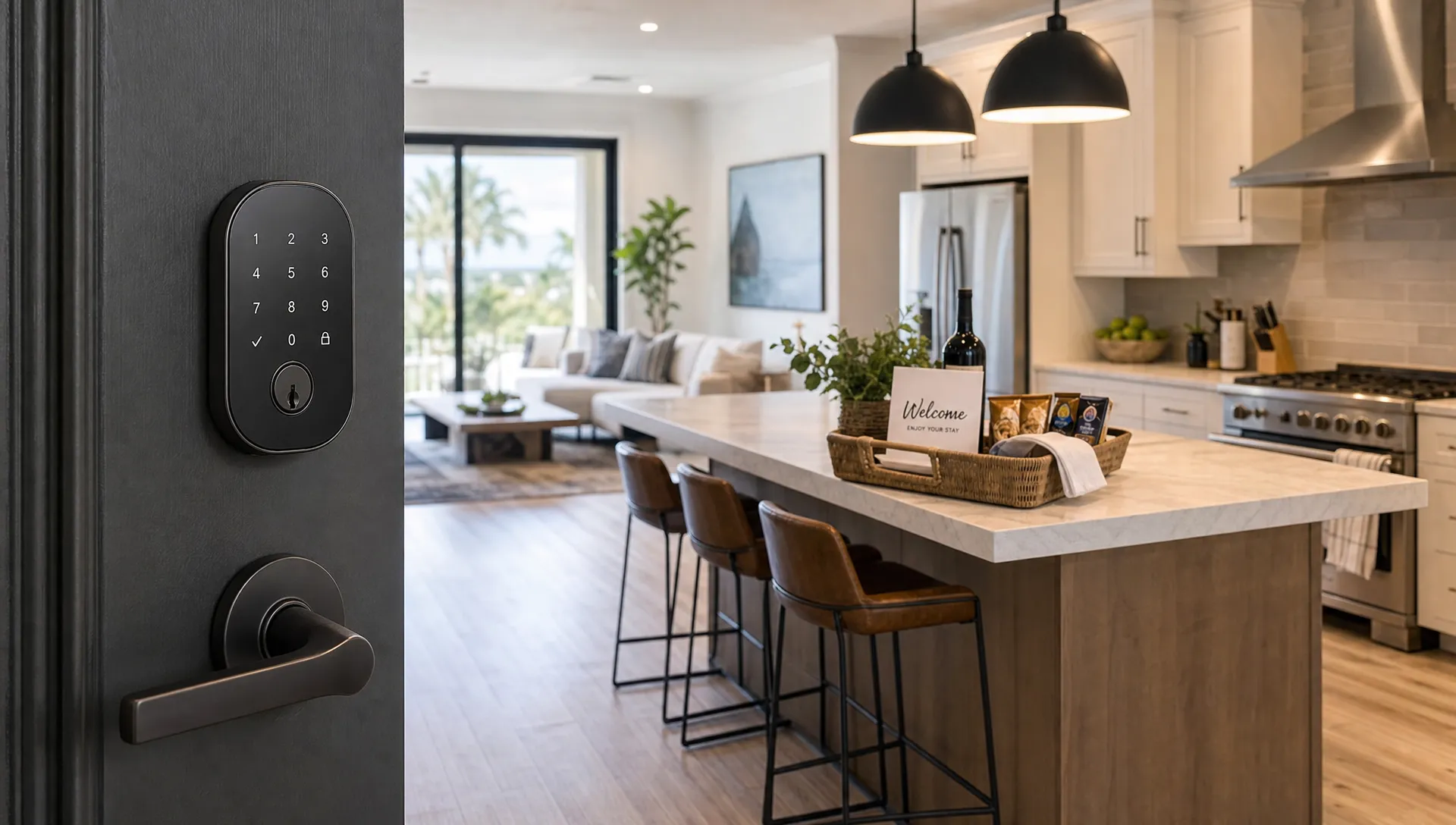
One of our owners was hesitant about smart locks because he thought keyless entry would feel impersonal. The opposite happened. Guests preferred not waiting for a handoff, and arrival comments became more positive because access felt simple. The lesson: luxury does not mean old-fashioned. It means frictionless.
Reporting should give visibility without homework
Hands-off owners still deserve transparency. Reporting should help you understand performance, occupancy, revenue, and property issues without forcing you to analyze spreadsheets every week.
The best owner communication is calm, consistent, and useful. You should not hear from your manager only when something breaks. You should understand what is happening with your asset and what the team is doing to improve results.
Pros and cons of vacation rental property management for owners
Full-service management is not right for every owner. It works best when you value time, consistency, and professional execution more than controlling every detail.
| Pros | Cons | How to think about it |
|---|---|---|
| Less owner workload | Management fees reduce gross revenue | Evaluate net income, time saved, and asset protection |
| Faster guest response | Less direct control over each guest interaction | Choose a team whose standards match yours |
| Better operational consistency | You need to trust another operator | Ask about processes before signing |
| Professional pricing strategy | Results are not guaranteed | Look for market experience and clear reporting |
| Stronger review protection | Poor managers can damage positioning | Vet communication, cleaning, and maintenance standards carefully |
The wrong manager can make a luxury home feel ordinary. The right manager can make ownership feel clean again.
That is why I do not recommend choosing only by fee. A cheaper operator who underprices the home, misses guest messages, or tolerates weak turnovers can cost more than they save.
What to ask before choosing a vacation rental property manager
Before you hand over your home, ask direct questions. A serious manager should answer without dancing around the details.
- Who responds to guests after hours? You want a real answer, not a vague promise of availability.
- How do you adjust pricing? Listen for strategy, not just software.
- How are cleanings inspected? Luxury turnover standards need quality control.
- What happens when something breaks during a stay? Maintenance triage should be defined.
- How do you protect owner use? Your personal calendar should be part of the operating plan.
- What reporting will I receive? Visibility should be routine, not requested.
- How do you handle local rules? Compliance expectations vary by city, HOA, and property type.
If you are comparing several firms, use our guide on how to choose a trusted vacation home rental agency as a filter. The goal is not to find the loudest sales pitch. It is to find the operator you would trust with your home when you are not there.
When full-service management makes the most sense
Vacation rental property management is usually worth considering when the home has real revenue potential and the owner does not want to operate it personally.
It is especially useful for:
- Second-home owners who use the home occasionally but want income during open dates.
- Luxury homeowners who need brand-level guest experience, not generic hosting.
- Real estate investors who care about performance but do not want daily operations.
- Out-of-state owners who need local execution and vendor coordination.
- Corporate housing and extended-stay owners who need consistency for longer guest stays.
Extended stays add another layer. Guests staying for weeks or months care about workspaces, laundry, kitchens, Wi-Fi, parking, and maintenance responsiveness. A hotel-style approach is not enough. The home has to function as a real living environment.
What Lumina does differently for hands-off owners
Lumina manages private luxury homes across select U.S. destinations, including Scottsdale, Manhattan Beach, Laguna Beach, Moonstone, Edwards, Beaverton, and San Juan. We focus on homes with privacy, design, location, and guest-ready amenities. We are not trying to turn generic units into luxury listings.
For owners, our management model includes guest communication, booking management, cleaning coordination, maintenance dispatch, pricing strategy, listing creation, photography direction, smart-home integration, and transparent reporting. We also bring the trust of the Lumina brand, with 611+ five-star reviews and Airbnb Superhost status.
The detail that matters most is alignment. We are not the right fit for every property, and that is intentional. If a home needs design updates, operational changes, local compliance review, or amenity planning before it can meet luxury guest expectations, we would rather say that early than overpromise.
Hands-off does not mean careless. It means the right people are paying attention for you.
Frequently Asked Questions
What is vacation rental property management? Vacation rental property management is the professional operation of a short-term or mid-term rental on behalf of the owner. It typically includes pricing, listing management, guest communication, cleaning, maintenance coordination, smart access, reporting, and owner support.
Is full-service property management worth it for a second home? It can be worth it if the home has strong rental potential and you do not want to manage guests, cleaners, vendors, pricing, and reviews yourself. The decision should be based on net income, time saved, guest quality, and asset protection.
Can I still use my home if Lumina manages it? Owner use is typically planned through calendar coordination. The exact structure depends on the property, market, and management agreement, but a good manager should account for personal use without creating guest scheduling problems.
How do I know if my luxury home is ready to rent? A rental-ready luxury home needs more than attractive interiors. It should have reliable Wi-Fi, strong cleaning systems, durable furnishings, clear access, comfortable amenities, local compliance awareness, and a guest experience that matches the nightly rate.
Does Lumina manage properties outside Arizona and California? Yes. Lumina operates in select premium U.S. markets, including Arizona, California, Colorado, Oregon, and Puerto Rico. Fit depends on the property, location, regulations, and operating requirements.
If you want the income potential of a vacation rental without becoming the operator, start with the management model. The right partner should protect your time, your guest experience, and your asset.
To discuss whether your home is a fit, list your property with Lumina, email sales@staywithlumina.com, or call (602) 905-7540 for a free revenue estimate.
Personal note: I care about this because the homes that perform best are not always the ones with the biggest budgets. They are the ones managed with consistency, quick decisions, and respect for the guest experience. If you want to be hands-off, build the operation first.
Signed, Shariann