
holiday property management
Holiday Property Management for Luxury Second Homes
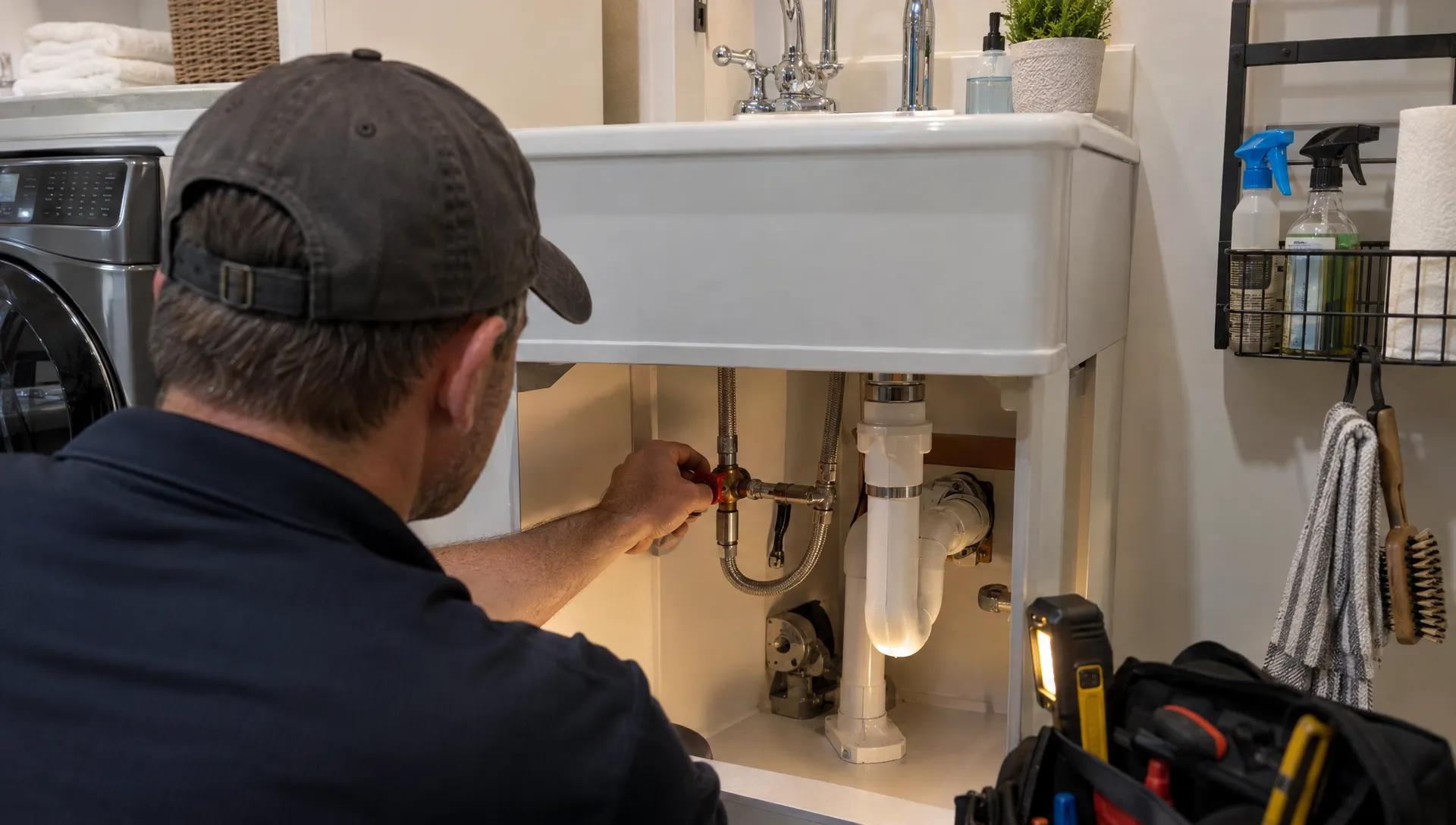
Good holiday property management should generate rental income without taking away the reason you bought your second home: having somewhere you want to spend time. For a luxury property, that means protecting personal stays, maintaining the home between visits and measuring returns after expenses, not just celebrating booked nights. We recommend choosing a manager around those priorities before discussing a revenue target.
Start with your personal calendar, not an occupancy target
A second home isn't the same as an investment property you'll never visit. Your family may want Thanksgiving week, several summer weekends or an occasional last-minute retreat. Those choices belong in the operating plan from the beginning.
The trade-off is straightforward: reserving high-demand dates for yourself reduces the nights available to rent. That doesn't make the decision wrong. It means the revenue estimate must reflect your actual availability.
I would rather show an owner a realistic forecast around their family calendar than an impressive projection based on renting dates they intend to keep.
Before requesting proposals, decide which dates are nonnegotiable, how much notice you can usually give and whether you want flexibility for spontaneous visits. A manager can price the remaining calendar intelligently, but they can't sell the same night twice.
How should holiday property management handle owner stays?
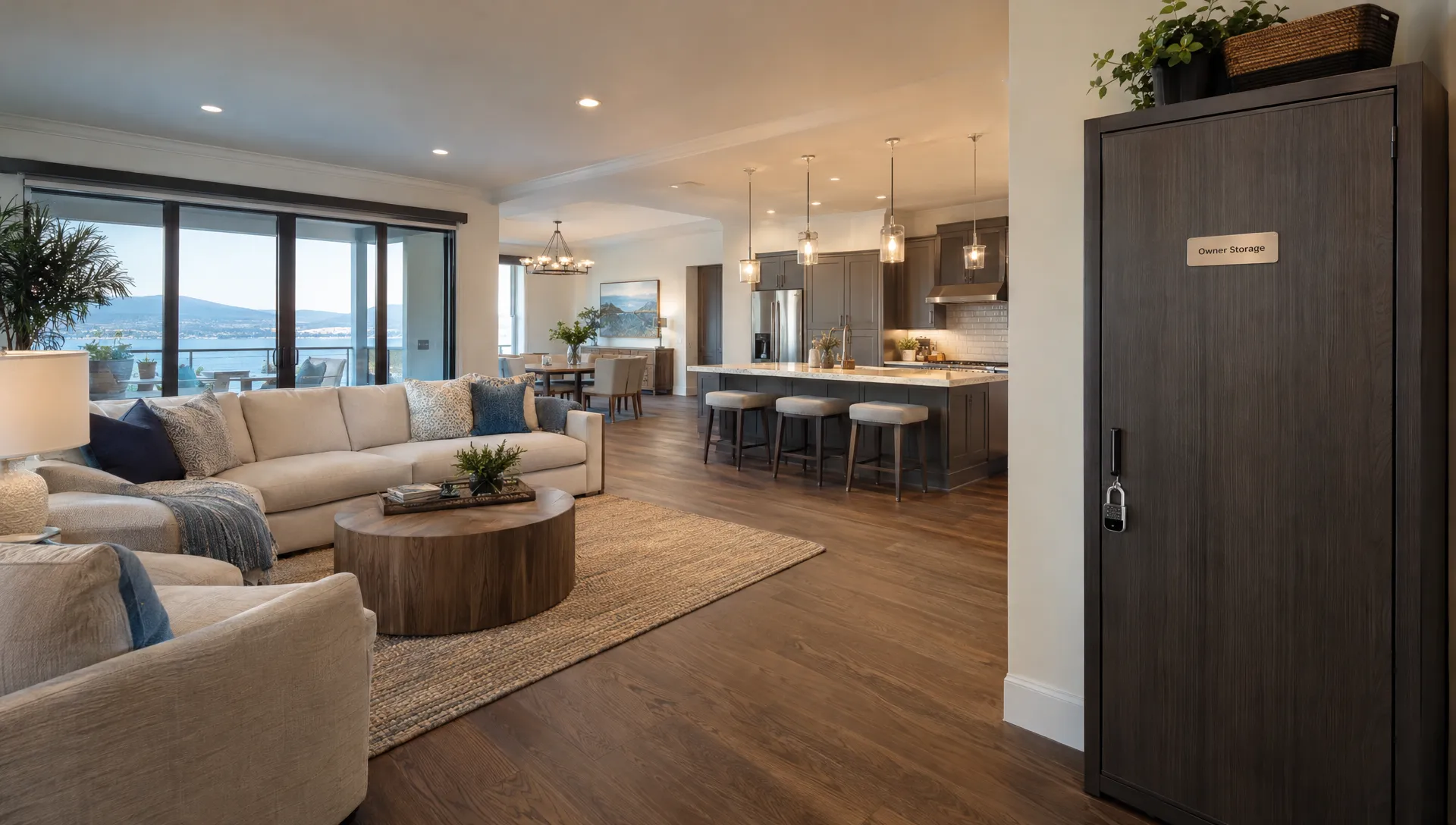
Owner access should be governed by a written policy, not an informal promise. The agreement should explain how you reserve dates, what happens when a booking already exists and how the home is prepared before your arrival.
| Owner priority | What to establish in writing | Why it matters |
|---|---|---|
| Annual family holidays | Dates blocked before the rental calendar opens | Prevents conflicts with confirmed reservations |
| Spontaneous visits | Notice requirements and availability rules | Sets realistic expectations for last-minute access |
| Arrival readiness | Cleaning, inspection and supply responsibilities | Clarifies what you'll find when you arrive |
| Personal belongings | Locked storage and inventory boundaries | Keeps private possessions separate from guest supplies |
| Departure after owner use | Turnover requirements and charges | Avoids disputes about preparing for the next guest |
Consider a planning scenario for a Scottsdale second home: the family wants to arrive on December 23, but a guest checks out that morning. An available date doesn't necessarily mean an owner-ready home. Cleaning, laundry, pool service and any repairs still need time.
The practical response is to agree on a turnaround buffer, rather than promise that every same-day transition will work. This is an illustrative scenario, not a reported Lumina client result.
Keeping peak dates preserves the home's personal value. The downside is lower rental availability, plus potential owner-stay preparation costs. Both should appear in the proposal.
What does management cost after all expenses?
The right way to compare holiday property management proposals is to calculate what remains after management fees and operating costs. A lower commission isn't automatically a better deal if inspections, maintenance coordination or guest support cost extra.
Ask each provider to define the revenue on which its fee is calculated. Does that include cleaning charges, cancellation payments or paid early arrivals? Who absorbs discounts and refunds? Those details affect the owner's return.
Here is an illustrative monthly calculation, not Lumina pricing or a rental forecast:
| Item | Illustrative amount |
|---|---|
| Accommodation revenue | $12,000 |
| Management fee, assumed at 20% | -$2,400 |
| Platform/payment costs, assumed at 3% | -$360 |
| Utilities and routine services | -$900 |
| Maintenance reserve contribution | -$600 |
| Remaining operating contribution | $7,740 |
This example excludes cleaning charges and corresponding cleaning expenses, assumes those cancel each other out and excludes lodging taxes collected for remittance. Actual fee structures and costs differ.
The $7,740 is not take-home profit. Mortgage payments, property taxes, insurance, furnishings and major repairs still need consideration.
Before signing, talk with Lumina about your second home's revenue potential. Bring your owner-use dates so the estimate starts with a calendar you're willing to offer.
How will the manager protect the home itself?
For a luxury home, protection means more than recovering money after damage. It means catching a water leak, failed air conditioner or unsecured door before it becomes a larger problem.
A holiday property management agreement should identify who inspects the home, how maintenance issues are documented and what spending authority the manager has. Smart devices help, but they don't replace physical checks.
At Lumina, our owner offering includes cleaning coordination, maintenance dispatch and smart-home integration, including smart locks and noise monitors. Those tools support access control and operations. They aren't a substitute for clear responsibilities or appropriate guest disclosures.
Establish a routine repair approval limit and a separate emergency rule. For example, an owner might authorize repairs up to $300 without prior approval, while allowing immediate action to stop an active leak. That amount is an example to discuss, not a Lumina policy.
Also clarify how the manager distinguishes ordinary wear from guest damage and what evidence supports any reimbursement request. A replacement purchase without documentation is difficult to evaluate later.
Our guide to rental management safeguards that protect luxury homes explains the protective side of management in more detail.
Who looks after the property when nobody is staying?
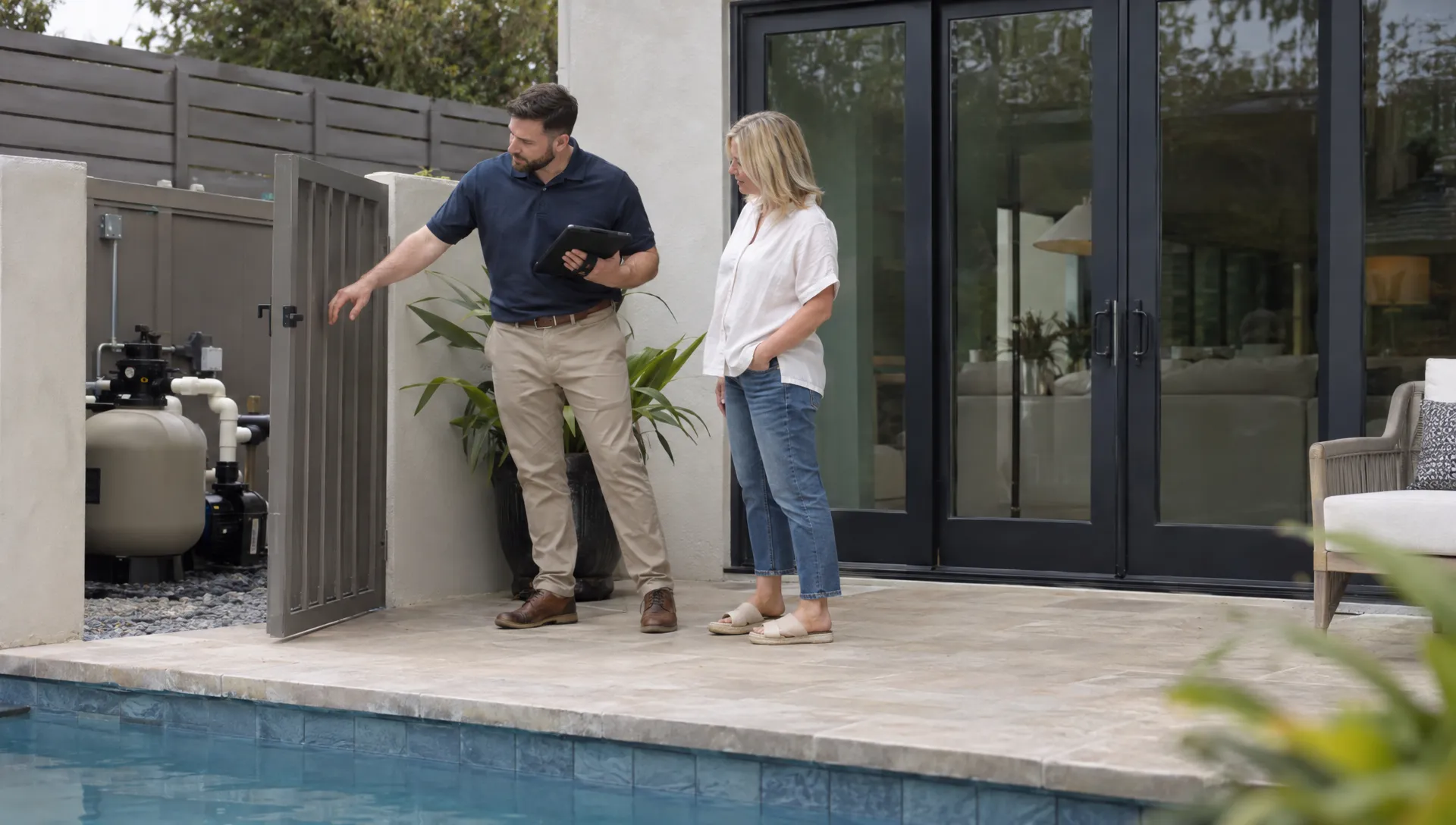
An empty calendar doesn't mean an inactive property. Landscaping, pool equipment, plumbing and climate control still need attention when there are no guests to report a problem.
This is where holiday property management needs an explicit vacancy plan. Ask whether unoccupied-home checks are included, how often they occur and who responds when a contractor needs access.
Separate routine upkeep from longer-term asset care. A cleaner may spot a loose handle, but roof inspections, exterior finishes and aging mechanical equipment require their own schedules. Your reserve budget should reflect the home's condition rather than an arbitrary percentage alone.
Seasonal preparation also changes by location. A desert home and a mountain home need different operating plans. Our seasonal property management guidance for second homes covers that planning separately.
The question to ask is simple: if the home sits vacant for three weeks, who checks it, what do they check and where will you see the record?
What should guest support actually resolve?
Fast replies matter, but a reply isn't the same as a solution. A guest locked out at night needs functioning access. A failed refrigerator needs a practical response, not repeated reassurance.
At Lumina, Conduit AI supports guest messaging around the clock, with average response times under 10 minutes. We also handle booking management and maintenance dispatch. When evaluating any holiday property management service, ask how messaging connects to someone who can act locally.
A property-specific guest directory should cover practical needs as well as restaurants. Include nearby urgent care, pharmacies and dental contacts, with availability verified rather than assumed.
For an international example, a directory for a holiday home in Geelong, Australia, might include Geelong Dental Centre for routine or emergency dental inquiries. That's a directory-building example, not a Lumina destination or medical endorsement. Guests should confirm appointments directly.
The same principle applies to every home: useful support is local, current and honest about what the manager can arrange. Don't promise guaranteed medical appointments or services outside the team's control.
What evidence should you request before hiring a manager?
Ask for documents that reveal how the operation works, not just a presentation about potential earnings. A sample owner statement should distinguish booking revenue, fees, operating expenses and owner distributions. A maintenance example should show the issue, response and charge clearly.
Lumina's offering includes transparent performance reporting, dynamic pricing, multi-platform distribution and full-service rental operations. Our brand also has 611+ five-star reviews and Airbnb Superhost status. Those credentials support the conversation, but an owner should still review the agreement and property-specific plan.
Three areas deserve particular attention:
- Service boundaries: Identify what's included, what incurs additional charges and which responsibilities remain yours.
- Decision rights: Establish approval rules for discounts, refunds, repairs and changes to the listing.
- Exit terms: Clarify notice periods, existing reservations, account access and the handover of property records.
A strong holiday property management proposal should also explain its pricing assumptions. Request conservative, expected and stronger-demand scenarios rather than a single guaranteed-looking figure.
Review the downside as carefully as the upside. Full-service management reduces day-to-day work, but it introduces fees and requires you to delegate operational decisions. Clear reporting and approval rules make that delegation easier to trust.
What needs to happen before the first booking?
Don't let a proposed launch date outrun due diligence. Confirm that the intended rental activity is permitted, the home is appropriately insured and the operating agreement matches your personal-use plans.
A practical onboarding sequence is:
- Confirm rental eligibility: Review zoning, permits, occupancy restrictions and HOA rules with the relevant authorities or qualified advisers.
- Confirm insurance: Explain the planned rental activity and personal use to your insurance provider, then verify the coverage required.
- Set the owner calendar and budget: Block personal dates, agree on repair approvals and establish reserve expectations.
- Prepare the property and records: Complete inventory, access setup, listing photography and any work needed before accepting guests.
For holiday property management, longer stays aren't automatically a workaround for rental restrictions. Different stay lengths can trigger different rules, so verify the intended model.
Keep personal-use and rental-day records from the start. The IRS guidance on residential rental property and vacation homes explains that personal use can affect tax treatment. In particular, the residence test considers personal use exceeding the greater of 14 days or 10% of days rented at a fair rental price. Ask your tax adviser how that applies to your circumstances.
Frequently asked questions
Can I still use my home when a manager handles rentals?
Yes, provided your agreement preserves owner use and establishes how dates are blocked. Reserve important dates before accepting guest bookings. Don't assume you can reclaim a booked stay without cancellation costs or other consequences.
Is full-service management worthwhile if I rent only part of the year?
It can be, especially if you live far away or don't want to coordinate guests and vendors. Compare the expected rental contribution with management costs and year-round care requirements. Limited availability doesn't automatically make holiday property management worthwhile or uneconomic; the calendar and expenses determine the answer.
Does the highest occupancy produce the best owner return?
Not necessarily. Discounted bookings can increase occupied nights while adding cleaning, utilities and wear. Compare operating contribution, maintenance needs and your ability to enjoy the home, rather than treating occupancy as the only measure of success.

Build the management plan around your second home
The best holiday property management arrangement protects three things together: your access, your property's condition and your financial return. If a proposal addresses only bookings, it leaves too much unresolved.
For a free revenue estimate, contact Lumina at newhomes@staywithlumina.com or call (602) 905-7540. Share the property's location, key amenities and the dates you want to keep for yourself so we can discuss a realistic management plan.
I want owners to feel comfortable arriving at their own home, not as though they're interrupting a rental business. At Lumina, we handle the operating work; the starting point should still be how you want to use and care for your property.
— Shariann