
vacation homes on the beach
How to Pick Vacation Homes on the Beach Without Regret
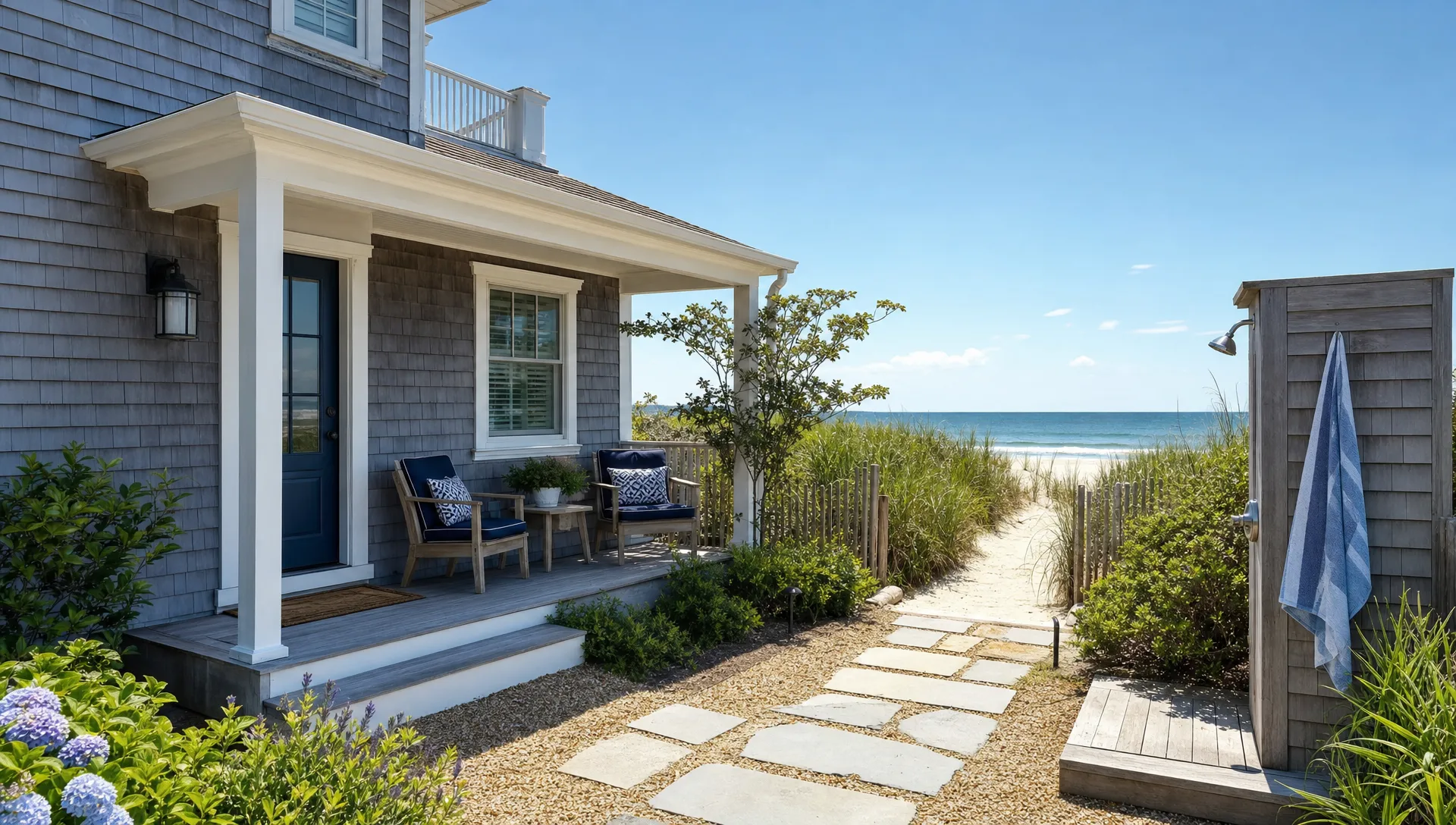
The safest way to pick vacation homes on the beach is to book for access, privacy, and operations, not just the prettiest ocean photo. A strong beach rental should make the entire trip easier: a clear route to the sand, usable parking, comfortable outdoor space, reliable Wi-Fi, laundry for wet gear, and responsive support when plans change. At Lumina, we manage coastal stays in places like Manhattan Beach, Laguna Beach, Moonstone, and San Juan, and the homes guests regret least are the ones that match how they actually spend a beach day.
Why vacation homes on the beach are worth it when chosen well
A beach vacation home should give you what a hotel usually cannot: private space, a real kitchen, room to gather, outdoor areas you do not share with strangers, and a more natural rhythm for families, couples, or extended stays.
A luxury beach rental is an entire private home near the coast, selected for location, comfort, design, and guest support. The best ones feel effortless. You wake up, make coffee, walk to the beach, rinse off, cook when you want, and unwind without navigating elevators, resort crowds, valet lines, or rigid housekeeping schedules.
The catch is that beach rentals are easy to oversell online. A photo can make a home feel steps from the sand when it is across a highway. An ocean view can hide a noisy public walkway. A beautiful patio can be unusable if there is no shade or wind protection. Regret usually comes from the gap between the listing story and the daily reality.
That is why I recommend evaluating beach homes like an operator, not like a shopper scrolling through pretty pictures.
Start with beach access, not the view
The first thing to verify is not whether you can see the water. It is how you actually get to it.
For many travelers, a home that is a five-minute flat walk to the sand is better than a dramatic ocean-view property that requires driving, stairs, permits, or a crowded public access point. This is especially true if you are traveling with children, older relatives, beach chairs, coolers, surfboards, or production equipment.
When we evaluate coastal homes, we pay attention to the route as much as the distance. Is the walk stroller-friendly? Do guests need to cross a busy road? Are there steep steps? Is the beach access public, private, seasonal, or affected by tides? These details shape the entire stay.
If you want a deeper location-focused checklist, our guide to beach rentals that actually deliver on location breaks down the difference between being near the beach and being conveniently beach-ready.
Is beachfront the same as walkable beach access?
No. Beachfront usually means the property sits directly along the shoreline or faces the beach, while walkable beach access means you can reasonably reach the sand on foot. A beachfront home may still have restricted access, stairs, rocks, dunes, gates, or tide issues. A walkable home may be more practical if the route is easy and predictable.
Use this table when reading listings:
| Listing phrase | What it may mean | What to verify before booking |
|---|---|---|
| Beachfront | The property borders the beach or shoreline | Whether guests can access the sand directly and safely |
| Ocean view | You can see the water from part of the home | Whether the home is actually close to beach access |
| Steps to the beach | Very close, but not always literal | Walking time, route, stairs, and road crossings |
| Beach access nearby | Access exists in the area | Distance, parking, public access hours, and terrain |
| Coastal home | Located in a beach town or coastal area | Whether beach days require driving |
Match the home to the trip you are actually taking
A romantic weekend, a family summer trip, and a month-long executive stay all need different things from the same coastline.
For couples, privacy matters more than square footage. I would prioritize a quiet bedroom, a private patio or balcony, good restaurants nearby, easy check-in, and a home that feels calm at night. If the trip is for an anniversary or milestone, ask whether the host can help with local recommendations, arrival timing, or pre-arrival details.
For families, the layout matters more than the view. Look for bedrooms that make sense, a full kitchen, laundry, easy entry after sandy beach trips, parking, and space where people can relax without stepping over luggage. A beautiful beach house becomes stressful fast if everyone is sharing one small bathroom or if wet towels have nowhere to go.
For corporate travelers, executives, and extended-stay guests, the beach is only part of the equation. You still need high-speed Wi-Fi, a comfortable work area, dependable climate control, laundry, and a kitchen that supports normal living. A coastal address is not enough if the home cannot function for workdays.
One operational lesson we have learned in coastal markets is simple: guests use the home as a beach base, not just a place to sleep. If the entry flow, towel storage, laundry, and parking are weak, even a great view starts to feel inconvenient by day two.
Check privacy before you fall for the photos
Beach destinations naturally attract foot traffic. That is part of the appeal, but it can surprise guests who expected quiet seclusion.
Before booking, look closely at what surrounds the home. Is the patio facing a public boardwalk? Are neighbors looking directly into the outdoor space? Is the primary bedroom on the street side? Are restaurants, bars, parking lots, or beach access paths nearby?
Privacy is not just about being hidden. It is about feeling comfortable using the home as intended. If a listing advertises outdoor dining, a hot tub, a pool, or a fire pit, you should know whether those spaces feel private enough to enjoy.
We cover this in more detail in our article on luxury beach rentals for a more private coastal stay, especially for guests comparing private homes with resort-style stays.
How do you know if a beach home is too exposed?
A beach home may be too exposed if most outdoor areas face public paths, shared driveways, neighboring decks, or busy streets. Review photos for sightlines, read guest comments for mentions of noise or privacy, and ask the host direct questions before you book.
A good host should be able to answer plainly. If the answer is vague, treat that as useful information.
Prioritize amenities that solve beach problems
Beach amenities should reduce friction. They do not need to be flashy. They need to make the stay smoother.
Here is what I would check before paying a premium:
| Amenity or feature | Why it matters at the beach | What to ask |
|---|---|---|
| Dedicated parking | Beach towns can have tight parking and strict rules | How many spaces are included and whether they fit larger vehicles |
| Laundry | Wet towels and swimsuits pile up quickly | Is laundry private, in-unit, and available to guests? |
| Outdoor rinse area | Sand gets everywhere | Is there an outdoor shower or hose? |
| Full kitchen | Families and extended stays need flexibility | Is it equipped for real meals, not just coffee? |
| Reliable Wi-Fi | Essential for remote work and streaming | Is high-speed Wi-Fi available throughout the home? |
| Smart lock access | Late arrivals are common in travel | Is check-in keyless and clearly explained? |
| Climate control | Coastal weather can shift quickly | Is heating or air conditioning available where needed? |
| Outdoor seating | The beach day often continues at home | Is there shaded, usable outdoor space? |
At Lumina, our homes are private, whole-home stays with exclusive access to the property amenities listed for that home. Many include smart home technology, keyless access, high-speed Wi-Fi, full kitchens, laundry, and concierge-level guest support. Amenities vary by property, so I always tell guests to confirm the details that matter most for their trip.
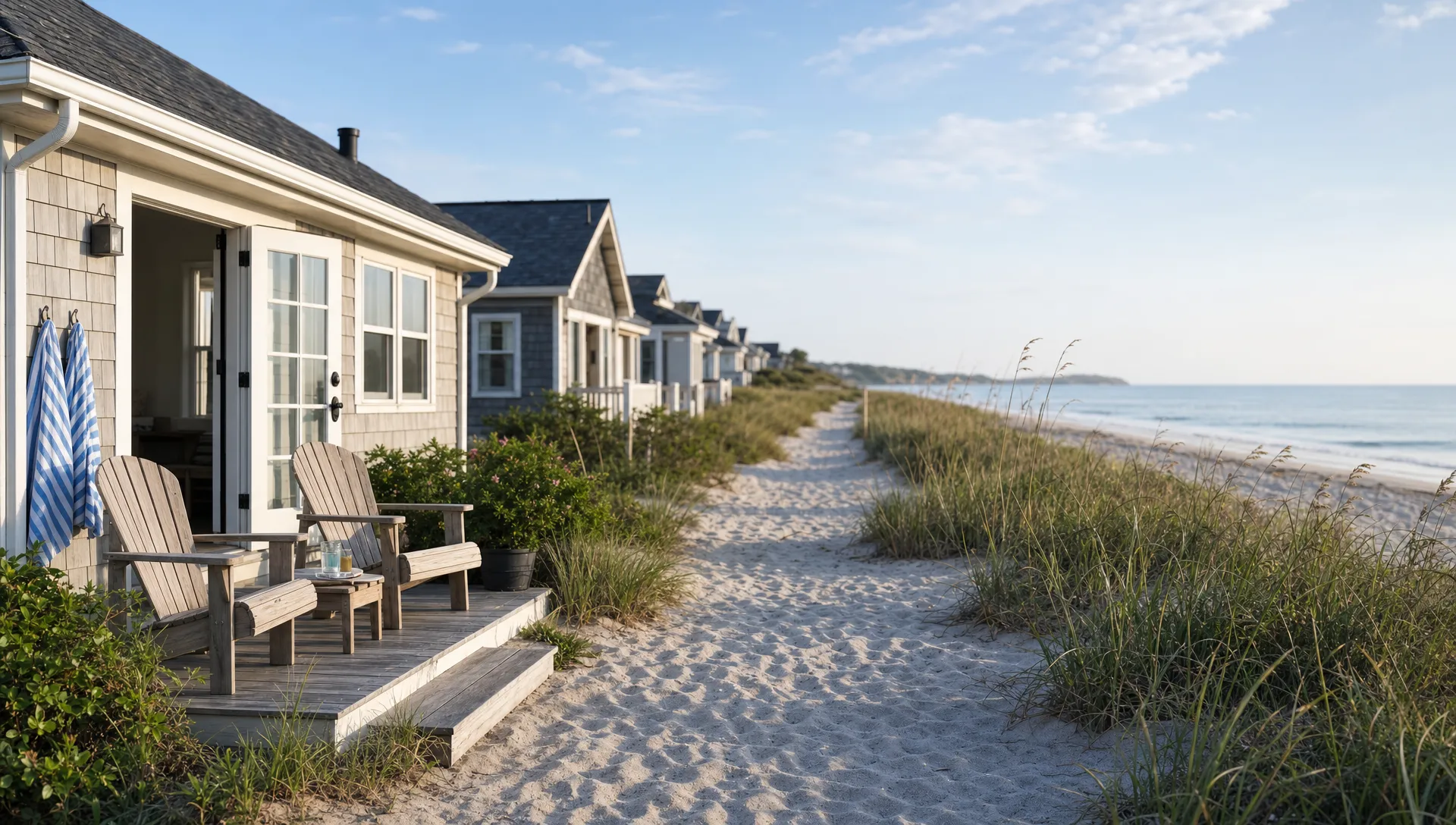
Read reviews like an operator
Do not just scan the star rating. Read reviews for patterns.
A five-star review that says the view was amazing tells you one thing. A review that mentions easy check-in, accurate location, clean bathrooms, quiet nights, comfortable beds, fast host responses, and well-stocked kitchen basics tells you much more.
For us, reviews are an operations dashboard. They reveal whether the home performs under real guest use. If multiple guests mention poor parking, confusing access, weak Wi-Fi, noise, or slow communication, believe them. If multiple guests mention thoughtful details, accurate descriptions, and responsive support, that is a stronger signal than a perfect photo gallery.
Also look at how the host responds when something goes wrong. Coastal stays are exposed to weather, salt air, traffic, and seasonal maintenance issues. The question is not whether a home will ever have a hiccup. The question is whether the team has a real operating system behind it.
That is one reason managed luxury stays can feel different from random owner-run listings. There is accountability, guest communication, cleaning coordination, and maintenance follow-through behind the scenes.
Know the coastal risks before you pay
The beach is beautiful because it changes. That also means conditions can affect your stay.
Before you book vacation homes on the beach, check the basics for your destination and dates. Tides can affect walkability and usable sand, especially in coves or narrow beaches. The National Oceanic and Atmospheric Administration provides tide and current information that can help travelers understand local conditions.
Ocean safety matters too. The National Weather Service explains how rip currents work and why they can be dangerous even when the water looks manageable. Families should pay particular attention to local lifeguard coverage, surf conditions, and posted warnings.
Water quality can also vary by location and weather. The U.S. Environmental Protection Agency maintains information on beach advisories and water quality, which is useful after heavy rain or during certain seasonal conditions.
None of this means you should overthink the trip. It means you should choose a home and host that make it easy to adapt. A great beach rental gives you a comfortable place to enjoy the coast even if one afternoon turns windy, foggy, or rainy.
Vacation homes on the beach vs hotels: what is the real difference?
Hotels can work well for short stays where service and central location matter more than space. Beach vacation homes are better when privacy, flexibility, and living space are the priority.
| Factor | Beach vacation home | Beach hotel or resort |
|---|---|---|
| Privacy | Entire home, private living areas, often private outdoor space | Shared lobby, pool, elevators, and common areas |
| Meals | Full kitchen or more flexible dining setup | Restaurant, room service, or mini-fridge |
| Families and groups | Easier to gather under one roof | Often requires multiple rooms |
| Schedule | More control over mornings, meals, laundry, and downtime | More structured around hotel services |
| Local feel | More residential and destination-specific | More standardized experience |
| Support | Depends heavily on host or management quality | Front desk support, but less personalized space |
The best choice depends on the trip. If you want daily housekeeping, a lobby bar, and on-site resort services, a hotel may be simpler. If you want a private coastal home where your group can settle in, a vacation rental is usually the better fit.
Is a managed luxury beach rental better than booking direct from an owner?
A managed luxury beach rental is usually better when you value consistency, fast communication, professional cleaning, clear check-in, and support during the stay. Owner-run homes can be wonderful, but quality varies widely. The more important the trip, the more I would prioritize operational reliability.
Red flags that usually lead to regret
The biggest warning signs are not always obvious. Some show up in what the listing does not say.
Be cautious if you notice these issues:
- The listing uses beachy language but never gives an exact walk time to the sand.
- There are no photos of the entry, parking, bathrooms, kitchen, or outdoor spaces.
- Reviews mention noise, poor communication, surprise fees, or inaccurate descriptions.
- The host cannot explain beach access, parking rules, or local restrictions.
- The cancellation policy feels risky for the season you are booking.
- The home looks beautiful but lacks laundry, storage, or practical beach-day flow.
- The price is much lower than comparable homes without a clear reason.
A low rate can be tempting, but coastal mistakes are expensive emotionally. If you are planning an anniversary, family reunion, executive stay, or once-a-year beach trip, the cost of a bad fit is bigger than the difference in nightly rate.
A simple checklist before you book
Before you commit, I would ask these questions:
| Question | Why it matters |
|---|---|
| How long does it take to walk to the sand? | Distance matters less than the real route |
| Do guests need to cross a major road? | Safety and convenience change the experience |
| Is parking included? | Beach parking can be limited or expensive |
| Is the outdoor space private and usable? | Photos do not always show exposure or noise |
| Is laundry available? | Essential for families and longer stays |
| Is Wi-Fi strong enough for work? | Important for executives and remote workers |
| How quickly does the host respond? | Problems are easier when support is responsive |
| What amenities are exclusive to the home? | Shared amenities can feel less private than expected |
If you are comparing several properties, slow down and evaluate them side by side. Photos trigger emotion. A checklist protects the trip.
Frequently Asked Questions
What is the best way to choose vacation homes on the beach? Start with practical access, then evaluate privacy, parking, layout, amenities, reviews, and host responsiveness. The best beach home is the one that fits your actual routine, not just the one with the best view.
Is beachfront worth paying more for? Beachfront can be worth it if the access is direct, safe, and usable. It may not be worth the premium if the home is exposed to public foot traffic, has limited privacy, or still requires a difficult route to the sand.
How close should a vacation home be to the beach? For most leisure trips, a short, easy walk is ideal. A five to ten minute walk can be perfectly comfortable if the route is flat, safe, and convenient. For families with young children or guests with mobility concerns, closer access matters more.
What amenities matter most in a beach vacation rental? The most useful beach amenities are parking, laundry, outdoor rinse space, a full kitchen, reliable Wi-Fi, comfortable outdoor seating, and clear keyless check-in. Pools, hot tubs, and EV chargers can be valuable when available, but the essentials come first.
Are beach vacation homes good for extended stays? Yes, if the home has the right infrastructure. Look for a full kitchen, laundry, work-friendly Wi-Fi, comfortable beds, good climate control, and responsive support. A coastal home can be excellent for longer stays when it functions like a real residence.
Book a beach stay that feels easy, not overpromised
If you want a private coastal home with thoughtful design, modern amenities, and responsive guest support, book your stay with Lumina. We handpick luxury vacation rentals across premium U.S. destinations and focus on the operational details that make a beach trip feel calm from arrival to checkout.
A personal note from me: the best beach stays are rarely about one perfect photo. They are about the small things guests feel every hour, easy parking, clean entryways, fast answers, comfortable beds, and a home that works after everyone comes back sandy and tired. That is the standard we try to protect in every Lumina stay.
- Shariann